

Model kit scales explained: what 1/35, 1/48, 1/72 and 1/700 mean
The most prominent thing on a kit box is often a fraction: 1/72, 1/35, 1/700. It decides how big the finished model will be on your desk, and how small the parts in your hands will be. This article explains how to read the fraction and turn it into millimeters, why different subjects each settle on their own scales, and the one thing worth checking before you buy: how long the finished model actually is.
How to read a scale
A scale is the ratio between a length on the model and the matching length on the real thing. 1/72 means 1 unit on the model stands for 72 units on the original 1. So 1 mm on a 1/72 model is 72 mm on the real aircraft.
The conversion takes one step: divide the original's length by the denominator and you have the finished length. A few examples:
| Kit | Scale | Original length (approx.) | Finished length printed on the maker's site |
|---|---|---|---|
| Battleship Yamato | 1/700 | 263 m 2 | 375 mm 3 |
| Battleship Yamato | 1/350 | 263 m | 751.5 mm 4 |
| Tiger I tank | 1/35 | 8.45 m (gun forward) 5 | 241.5 mm 6 |
| Spitfire Mk.I fighter | 1/72 | 9.12 m 7 | 128 mm 8 |
| Spitfire Mk.I fighter | 1/48 | 9.12 m | 191 mm 9 |
| Nissan Fairlady 240ZG | 1/24 | not checked in this article | 179 mm 10 |
263 m divided by 700 is 375.7 mm, and the site prints 375 mm. 8.45 m divided by 35 is 241.4 mm, and the site prints 241.5 mm. The Spitfire Mk.I is a bit further off: dividing by 48 gives 190 mm against a printed 191 mm, and dividing by 72 gives 126.7 mm against 128 mm. The original lengths come from Wikipedia, and different references may measure them differently, so before buying, go by the finished length the manufacturer prints. Your own calculation is only a rough estimate.


Common scales by subject
No manufacturer has a rule that "aircraft must be 1/72". Wikipedia's account is that almost all plastic models use established scales, with one or two common ones for each kind of subject, so that the finished model is a sensible size and models of the same subject sit well together in a collection 11. The common scales it lists are roughly these:
| Subject | Common scales | Most popular among them |
|---|---|---|
| Aircraft | 1/24, 1/32, 1/48, 1/72, 1/100, 1/144 | 1/48 and 1/72 |
| Military vehicles | 1/16, 1/24, 1/32, 1/35, 1/48, 1/72, 1/76 | not specified |
| Cars | 1/8, 1/12, 1/16, 1/18, 1/20, 1/24, 1/25, 1/32, 1/35, 1/43 | not specified |
| Ships | 1/72, 1/96, 1/144, 1/200, 1/350, 1/400, 1/450, 1/600, 1/700 | not specified |
This is Wikipedia's summary, not a standards document. No written standard for scales in plastic kits turned up for this article (the NMRA and NEM standards in model railways cover track gauges and rolling stock, so they do not apply here). On the manufacturer side, Tamiya's catalog does have series such as 1/35 Military Miniatures, 1/48 Masterpiece Aircraft, 1/72 Warbird Collection and 1/24 Sports Cars 69810.
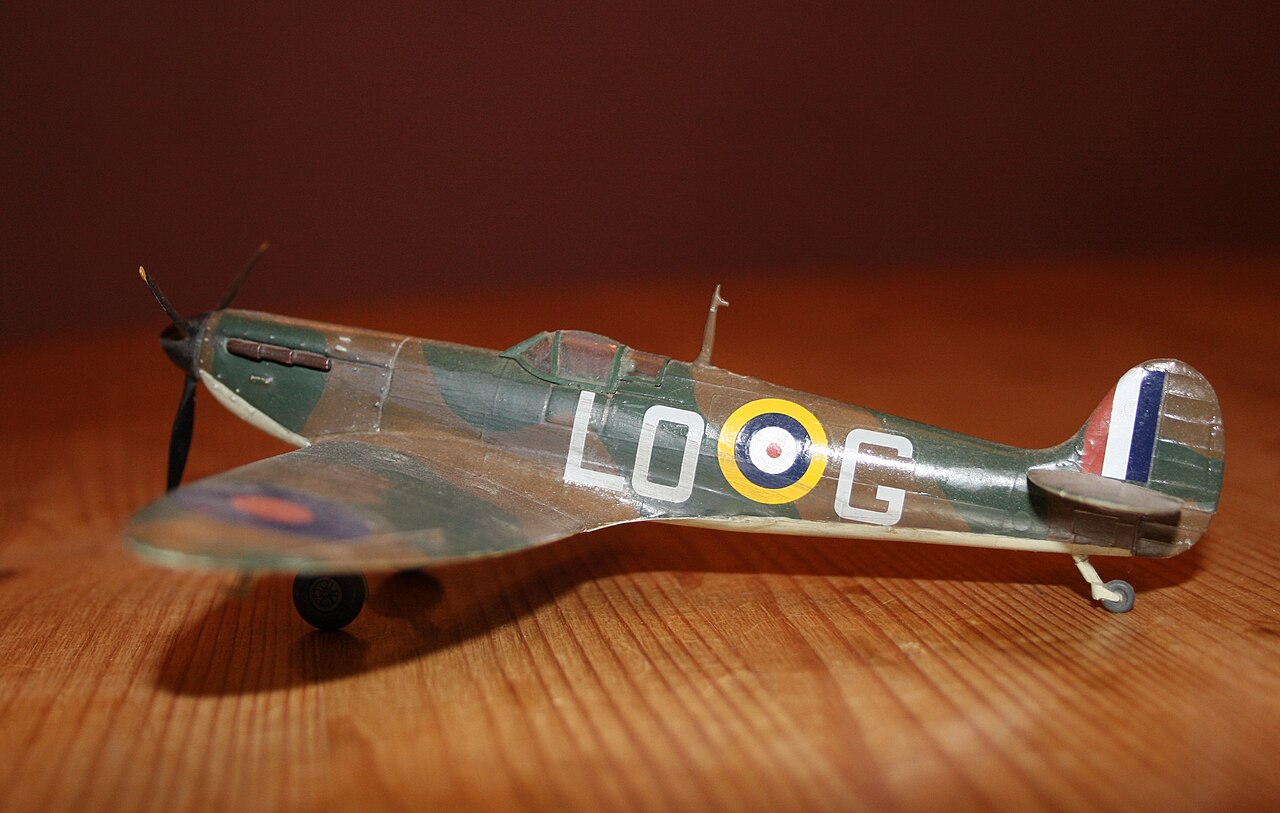
*Figure 5: A 1/72 aircraft, built from the Airfix Spitfire Mk.I kit. Photo: Andrew Thomas, CC BY-SA 2.0, Wikimedia Commons.*
Why aircraft are often 1/72 and armor often 1/35
To look at things of very different sizes on a desk, you need a scale that keeps the finished model from being too big or too small. Wikipedia says 1/72 is common for aircraft because it gives models of a manageable size for everything from small fighters to large bombers 12. That page carries a "needs additional citations" tag, and this article does not use the historical background given there.
No official explanation from a manufacturer was found for why military vehicles are often 1/35, or why ships come in 1/700 and 1/350, so this article does not guess at reasons.
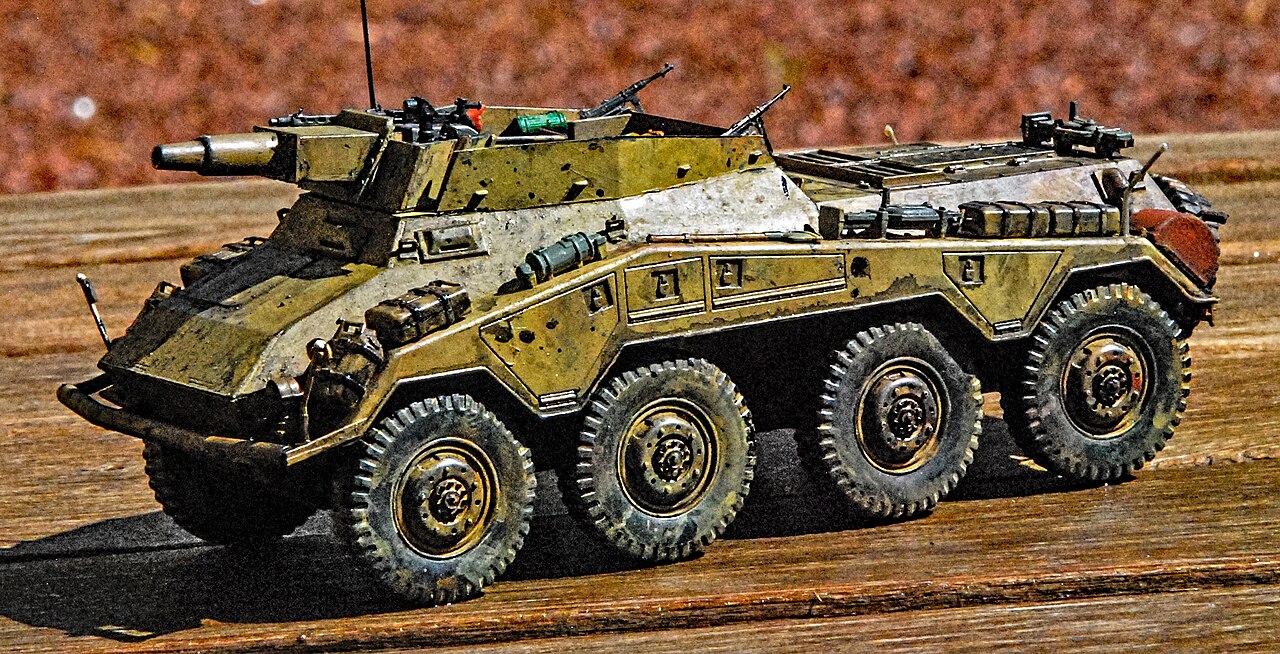
*Figure 6: A 1/35 military vehicle. Photo: Tomás Del Coro, CC BY-SA 2.0, Wikimedia Commons.*
Waterline models: why 1/700 ships are different
1/700 ships are often built as "waterline models", and Tamiya's series of this type is called the Waterline Series 3. Fujimi's 1/700 Yamato page puts it plainly: 「スケールは1/700で、艦底部は含まない洋上模型です」, which means the scale is 1/700 and the model leaves out the hull below the waterline and shows only the part above the water 13.
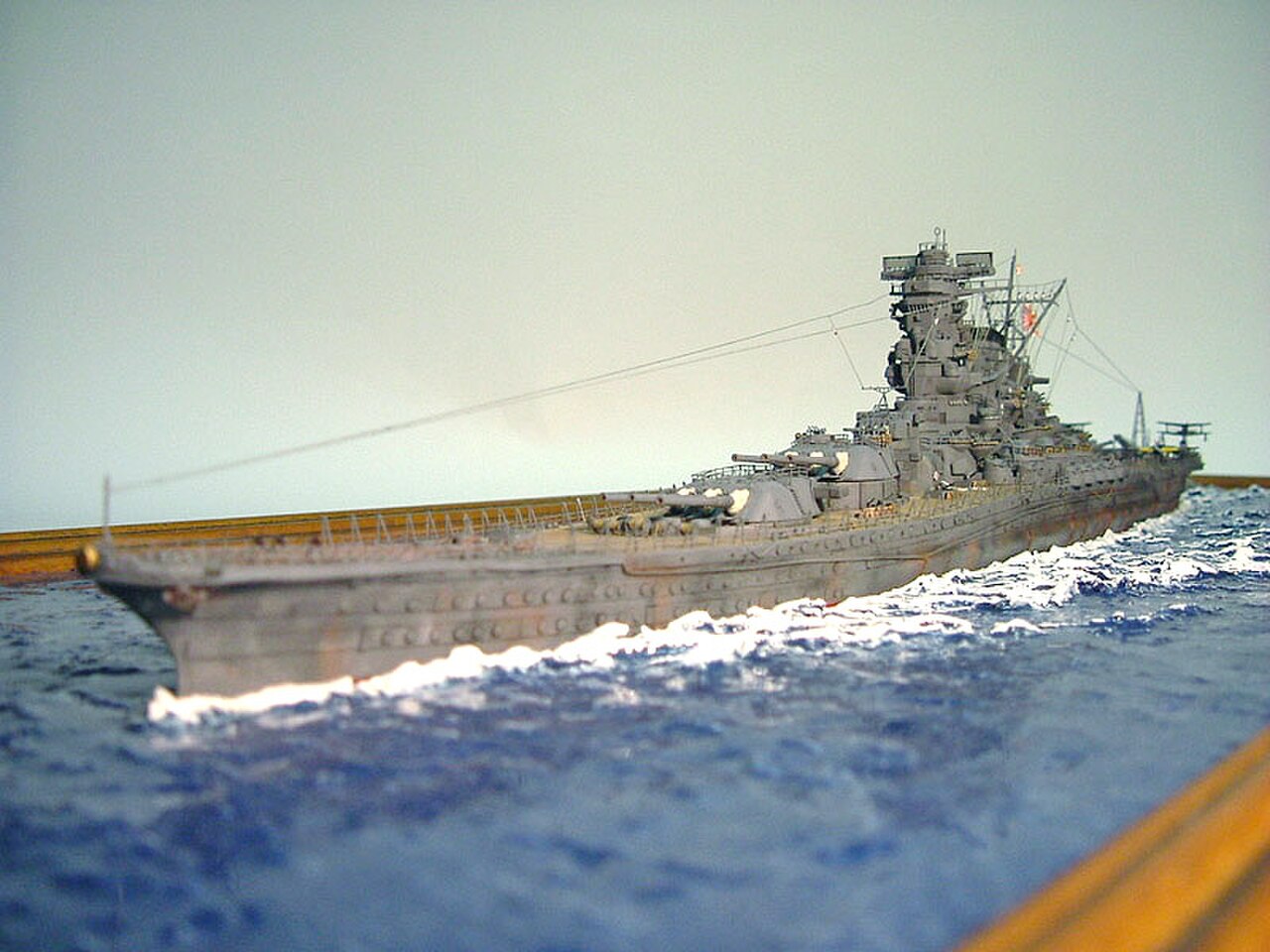
*Figure 7: A 1/700 Yamato. Photo: AC Studio, CC BY 3.0, Wikimedia Commons.*
Gundam's 1/144 and 1/100 are a different matter
Bandai's Gunpla page says that Gunpla has several series divided by "scale and concept", called grades. PG is 1/60, MG and RE/100 are 1/100, and RG and HG are 1/144 14. Gundam mobile suits are fictional, and there is no real machine to measure what "1/144" should come to, so these numbers are specifications Bandai set for its own series. They are not the same kind of scale as the ones for aircraft and armor, which have an original to compare against. Gunpla itself is left for a later Gundam topic, and this is the only point made about it here.
Common pitfalls
- Looking only at the scale and not at the finished length. A 1/700 Yamato is 375 mm, about 37 cm 3. The same ship at 1/350 is 751.5 mm, about 75 cm 4. Before buying, check the manufacturer's site for the finished length (完成時の全長) and hold a ruler up on your desk.
- Assuming that the same scale always means the same size. Wikipedia notes that some makers set a scale to suit the box ("fit-the-box" scales) so that boxes come out a uniform size. Two kits with the same nominal scale can therefore finish at different sizes, and the parts do not always match up. There are 1/25 cars larger than 1/24 ones 11. This is Wikipedia's statement, and no matching explanation was found on a manufacturer's site for this article.
- Treating a 1/700 waterline ship as a whole ship. A waterline model has only the part above the water and no hull below 13.
- Comparing Gunpla's 1/144 and 1/100 with aircraft and armor as if they were real scales 14.
- Mixing 1/48 and 1/72 aircraft and expecting to display them together. The same Spitfire Mk.I is 128 mm at 1/72 and 191 mm at 1/48 89, a whole size apart, and side by side they look odd.
Related terms
Sources
Numbers match the [n] markers in the text. All accessed on 2026-10-13.
- Wikipedia, Scale model
- Wikipedia, Japanese battleship Yamato
- Tamiya, 1/700 Waterline Series Japanese Battleship Yamato (タミヤ 1/700 ウォーターラインシリーズ 日本戦艦 大和)
- Tamiya, 1/350 Ship Series Imperial Japanese Navy Battleship Yamato (タミヤ 1/350 艦船シリーズ 日本海軍戦艦 大和)
- Wikipedia, Tiger I
- Tamiya, 1/35 Military Miniatures German Heavy Tank Tiger I Late Production (タミヤ 1/35 ミリタリーミニチュア ドイツ重戦車 タイガーI 後期生産型)
- Wikipedia, Supermarine Spitfire
- Tamiya, 1/72 Warbird Collection Spitfire Mk.I (タミヤ 1/72 ウォーバードコレクション スピットファイア Mk.I)
- Tamiya, 1/48 Masterpiece Aircraft Series Spitfire Mk.I (タミヤ 1/48 傑作機シリーズ スピットファイア Mk.I)
- Tamiya, 1/24 Sports Car Series Fairlady 240ZG (タミヤ 1/24 スポーツカーシリーズ フェアレディ 240ZG)
- Wikipedia, Plastic model kit (Scales section)
- Wikipedia, 1:72 scale
- Fujimi, 1/700 Special 022 Imperial Japanese Navy Battleship Yamato, 1945 / Operation Ten-Go (フジミ模型 1/700 特022 日本海軍戦艦 大和(昭和20年/天一号作戦))
- Bandai Hobby Site, What is Gunpla (バンダイ ホビーサイト:ガンプラとは)
Updated 2026-10-13