

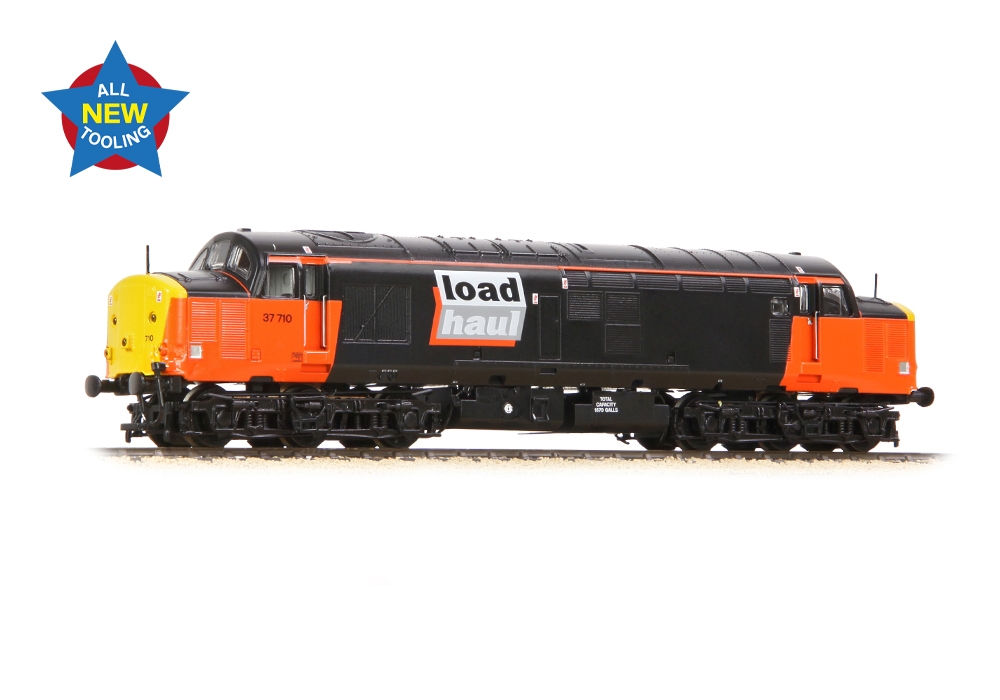
Class 37/7 37710 Loadhaul
Graham Farish · Locomotive · N
We buy it, check it and ship it to you. You see the exact total, shipping included, before you pay anything.
View on the maker's site ↗Specification
- Item number
- 372-112
- Scale
- N1:148–160
- Gauge
- 9 mm
- Type
- Locomotive
Fields the maker doesn't publish for this item are left out rather than shown empty.
From the maker
The Class 37 is back in N Scale and better than ever thanks to this all-new model by Graham Farish. Depicting a sub-class never-before modelled in N, the Class 37/7, the new Graham Farish model has been designed from the rails up to create a masterpiece in miniature befitting one of Britain’s best loved diesel locomotives. Combining a precision moulded bodyshell with a high performance chassis, the Graham Farish Class 37’s technical specification includes directional lights with independent control at either end, cab lights for DCC users, a pre-fitted speaker and the option to upgrade to our SOUND FITTED version as we bring sound to the Class 37 in N scale for the first time. The smooth curves and crisp lines of the Class 37 are replicated in miniature with uncompromising quality, creating a model that is brought to life by the exquisite livery application which uses authentic colours, fonts and logos for an authentic finish. DETAIL VARIATIONS SPECIFIC TO THIS MODEL: GRAHAM FARISH CLASS 37 SPECIFICATION MECHANISM: DETAILING: LIGHTING: DCC: SOUND: LIVERY APPLICATION: CLASS 37 HISTORY The British Rail 1955 Modernisation Plan paved the way for the large-scale replacement of steam traction with diesel locomotives, and one of the most successful diesel locomotive designs to result from this was the English Electric Type 3. These 1,700hp Type 3 diesel-electric locomotives were built at English Electric’s Vulcan Foundry and by Robert Stephenson & Hawthorns between 1960 and 1965, with 309 examples produced in total. When TOPS was implemented the type was designated Class 37. The class proved popular with railwaymen and so in 1985, a major refurbishment programme was sanctioned to extend the working lives of 135 locomotives. Features of the refurbishment involved plating over the four-character head codes and sealing off the nose end communication doors. Those engines intended for passenger work had an ETH supply fitted as part of the refurbishment and were designated Class 37/4. Further Class 37s were refurbished to become Class 37/5s for freight duties, for which the ETH supply was not needed. Meanwhile a fleet of 44 Class 37s were similarly treated but with most of their bodyside windows plated over and extra ballast weights added to increase the tractive effort. These changes made them ideally suited to heavy freight work and the machines were given the sub-class of 37/7, although numbering extended into the 378xx range. With the sectorisation of British Rail taking hold in the early-1980s, the locomotives returned to traffic following refurbishment in a wide and diverse range of liveries. Passenger machines appeared in BR Blue Large Logo, InterCity and Regional Railways schemes to name just three, whilst freight engines received numerous varieties of Railfreight livery, Transrail, Mainline and Loadhaul. The Class continued to be widely used into the Privatisation-era, with examples operating for the likes of EWS, DRS, West Coast Railways and Colas, whilst others have received ‘retro’ heritage repaints. Class 37s can still be found working on the British network in limited numbers, and many are now preserved.
Text as published by the maker.
More from Graham Farish
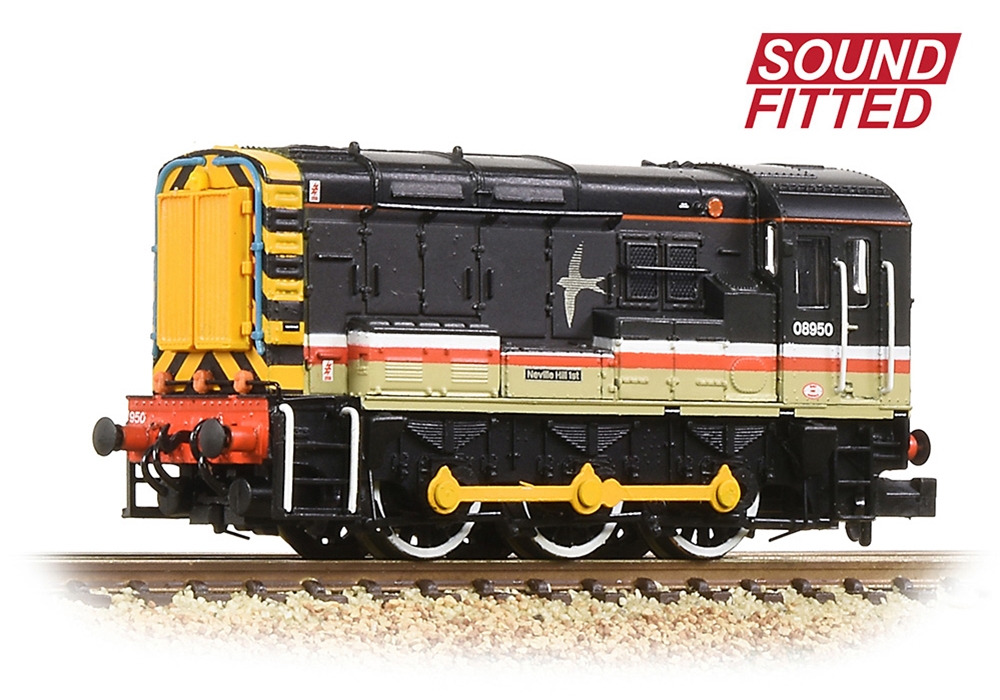
Class 08 08950 'Neville Hill 1st' BR InterCity (Swallow)
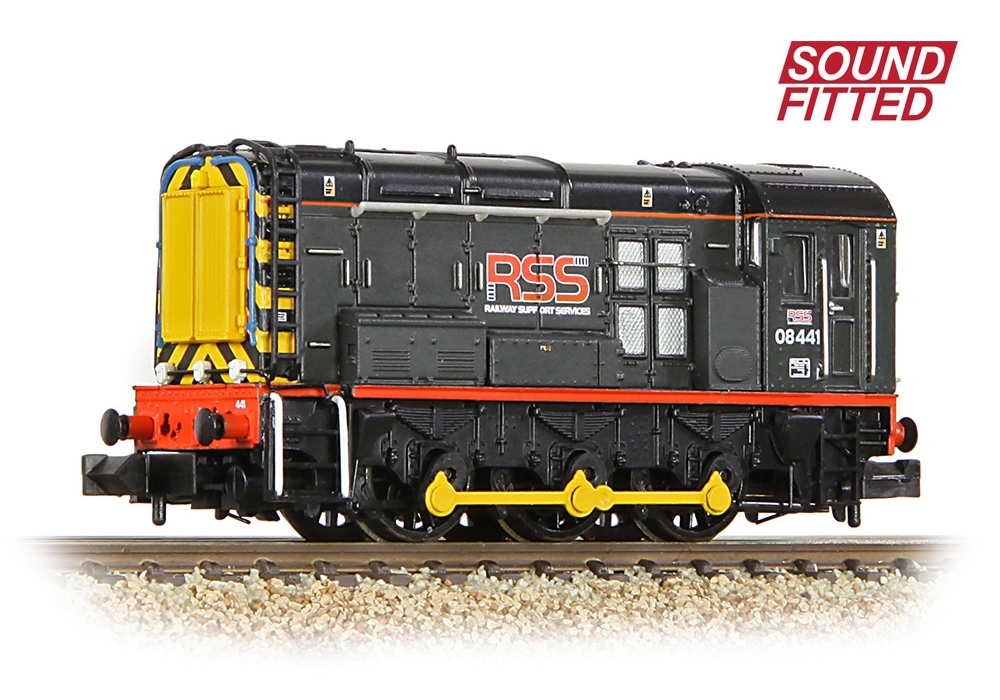
Class 08 08441 RSS Railway Support Services
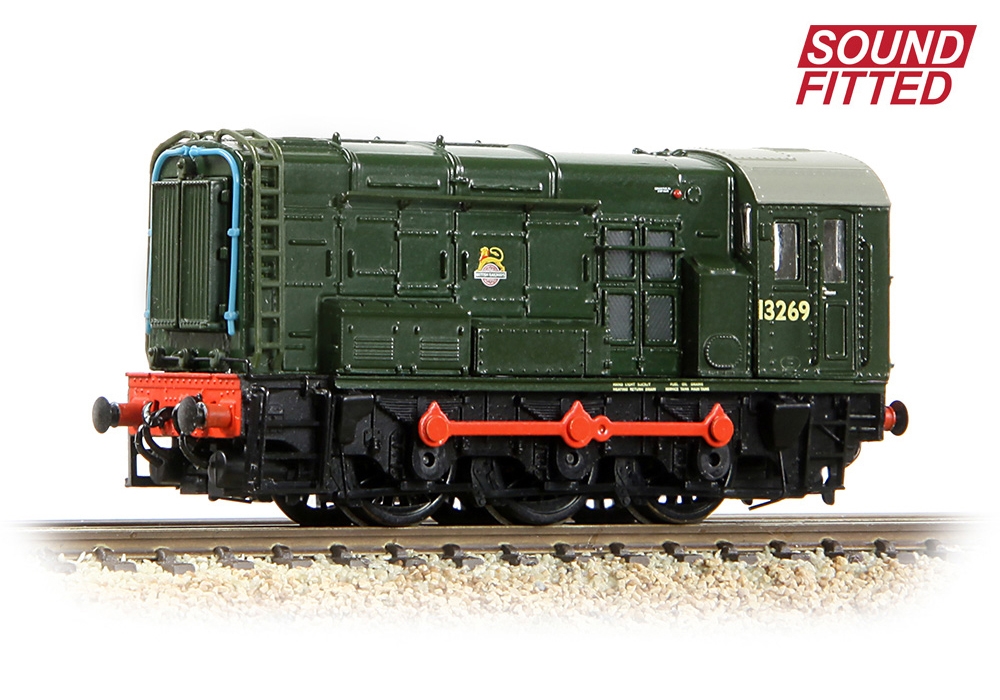
Class 08 13269 BR Green (Early Emblem)
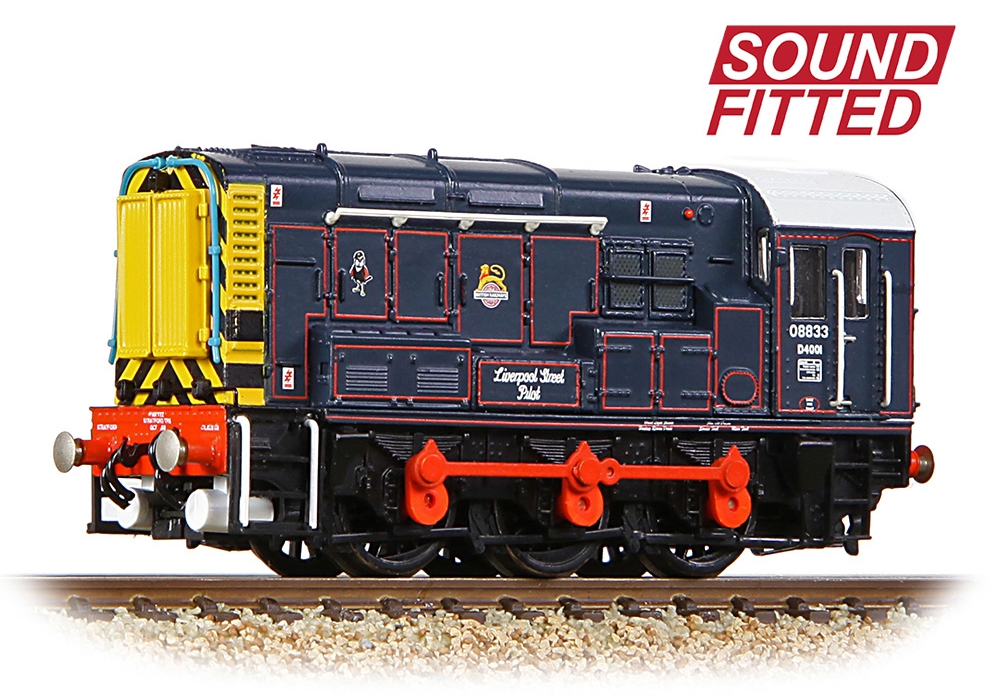
Class 08 08833 'Liverpool Street Pilot' BR/GER Lined Blue (Early Em.)
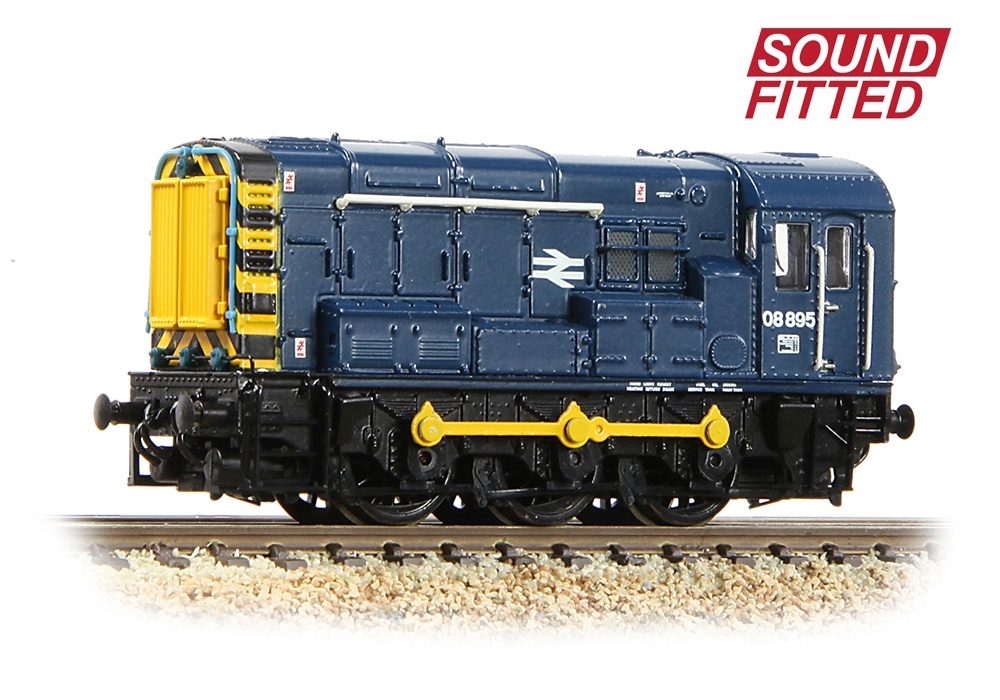
Class 08 08895 BR Blue
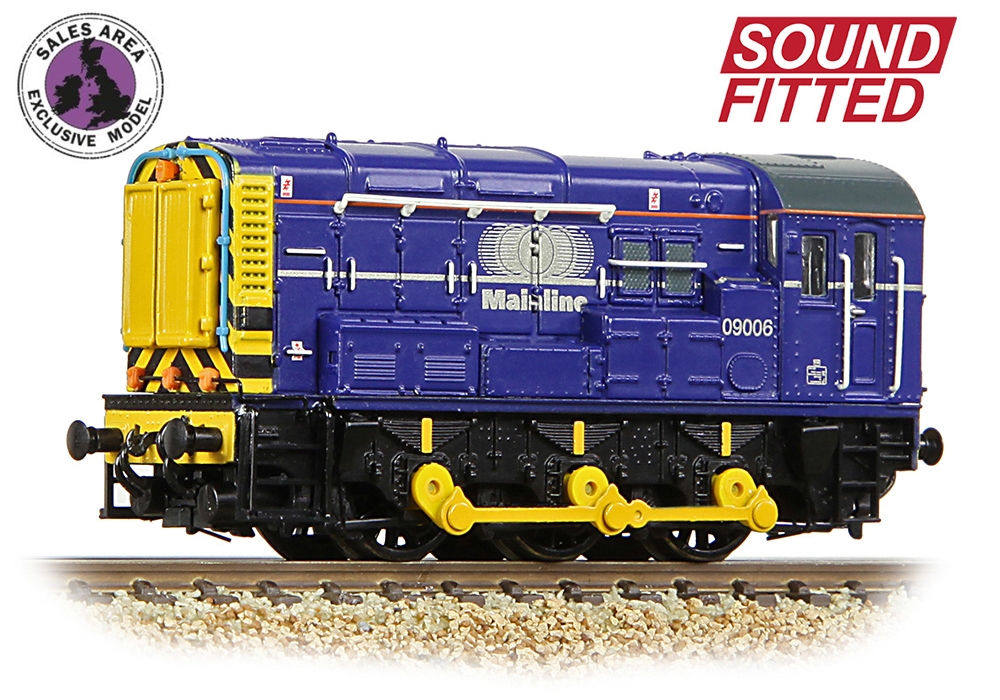
Class 09 09006 Mainline Freight
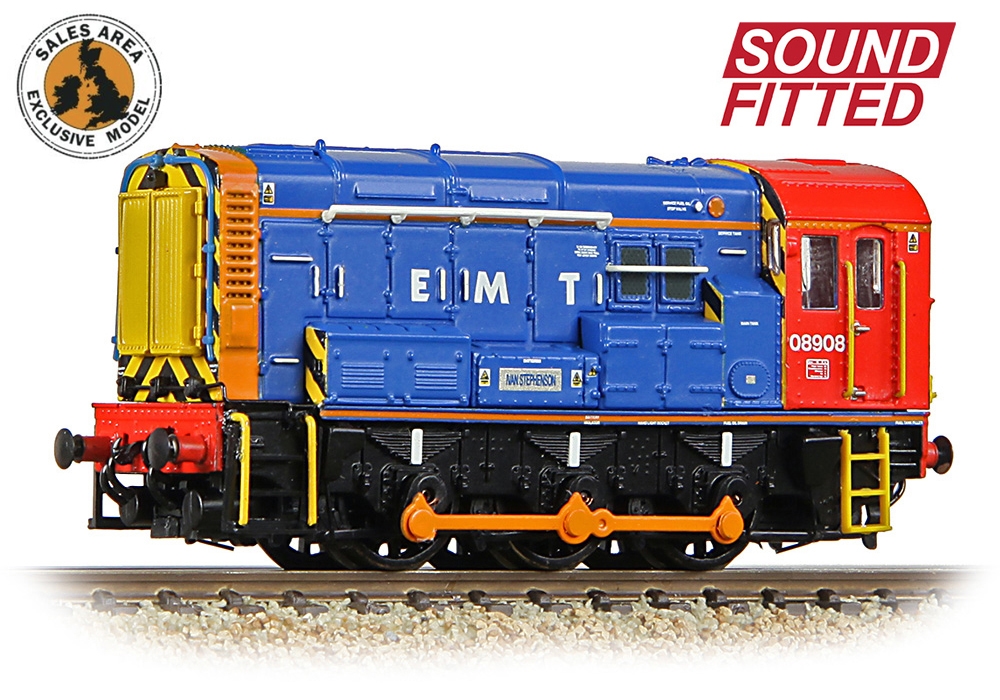
Class 08 08908 East Midlands Trains
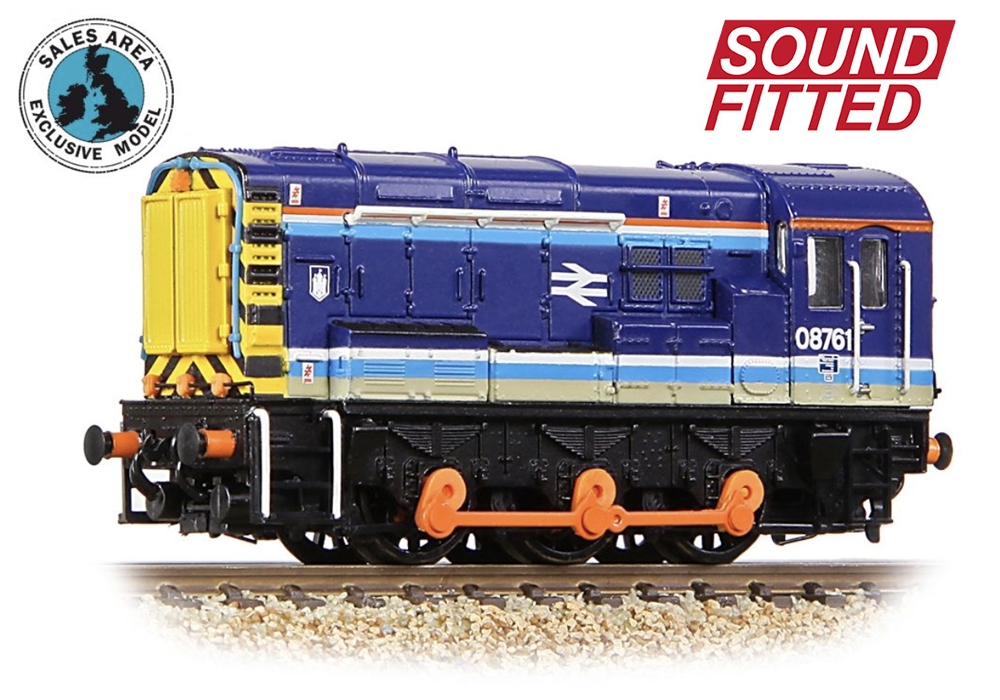
Class 08 08761 BR Provincial
← Back to Graham FarishAll catalog itemsRead the guide to the makers