

Model train brands: what each one makes and what it costs
Browse model trains on any second-hand site and the first thing you see is a brand name: Märklin, Roco, Piko, Hornby, KATO, TOMIX. This article goes through about fifteen common brands by region. For each one it covers the scales it makes, the power system it uses and which country's trains it mostly models. It then uses the prices on each brand's own website to show roughly where their locomotives sit.
Narrow it down by scale and system first
Before picking a brand, check what scale it makes and what power system it uses. The scale decides how big the trains are and how much room you need. The system decides whether a train will run on your track at all. Both are covered in Scales and gauges and AC or DC, analog or DCC. Once those two are settled, the list of brands gets much shorter.
The table below is a quick reference. The price column is the median listed price of the brand's locomotives on its official website. How the prices were collected is explained under "How to read the prices".
| Brand | Based in | Main scales | Power system | Mostly models trains from | Median locomotive price |
|---|---|---|---|---|---|
 | Germany | HO, also Z and 1 2 | Three-rail AC 1 | Mainly Germany 20 | HO €449 |
 | Germany (owned by Märklin) | HO / N 3 | Two-rail DC 3 | Mainly Germany, also Switzerland, France, the Netherlands and others 20 | HO €449, N €337 |
 | Germany (owned by Märklin) | G (1:22.5) 4 | Not found | Mainly Europe, also US and Canadian models 4 | No reliable price data |
 | Austria | HO, also N and TT 5 | Two-rail DC, some models also in AC 21 | Many European countries, plus some US models 5 | No reliable price data |
 | Germany (same group as Roco) | N 67 | Not found | Central Europe 6 | No reliable price data |
 | Germany | HO, also G, TT and N 8 | Two-rail DC, some models also in AC 20 | Mainly Germany, also Poland, the Netherlands, Austria, Czechia and others 20 | HO €295 |
 | Germany | HO, also TT, N and Z 9 | HO comes in both DC and AC versions 9 | Not found | No reliable price data |
 | Founded in Austria, now owned by Bachmann | HO, H0e, N 10 | Two-rail DC 10 | Germany, Austria 20 | HO €335 |
 | UK | OO 12 | Not found | UK 20 | OO £190 |
 | Italy (now owned by Hornby) | HO 20 | Not found | Mainly Italy, also Germany and Austria 20 | HO £276 |
 | Founded in the US, headquartered in Hong Kong | HO, N, OO, G and others 11 | Not found | US, UK 11 | No reliable price data |
 | US | N, HO, O 14 | Not found | Not found | No reliable price data |
 | Japan | N, HO, 16-ban 15 | Two-rail DC 15 | Japan, plus exports to the US and Europe 15 | Website examples only: N-scale EF65 ¥7,700 to ¥7,920 28 |
 | Japan | N, also 16-ban 16 | Two-rail DC 16 | Japan 20 | N single locomotive ¥8,580, N basic set ¥18,700 |
 | Japan | N, also 16-ban 17 | Not found | Not found | N complete train set ¥19,580 |
 | Japan | N 18 | Not found | Japanese private railways, regional JR trains 18 | Ready-to-run basic set ¥23,925, kit ¥3,960 |
 | Japan | Mainly 16-ban, plus brass models 31 | Not found | Japan; US models in its early years 31 | No reliable price data |
("Not found" means we found no reliable source for that cell, not that the answer is "none". Where the "Mostly models trains from" column cites 20, it was worked out from the railway company listed for each product in the catalog; for TOMIX, from the train and railway names in the product titles. For how prices were collected, see "How to read the prices".)
Germany and Austria
Märklin, with Trix and LGB
Märklin was founded in 1859 and is based in Göppingen, Germany 1. Most of its products are 1:87 HO 2. It uses its own three-rail AC system. The wheels are not insulated, so Märklin trains cannot simply be put on another brand's two-rail DC track 1. Besides HO, Märklin makes 1:220 Z (which it calls mini-club) and 1:32 gauge 1 2.
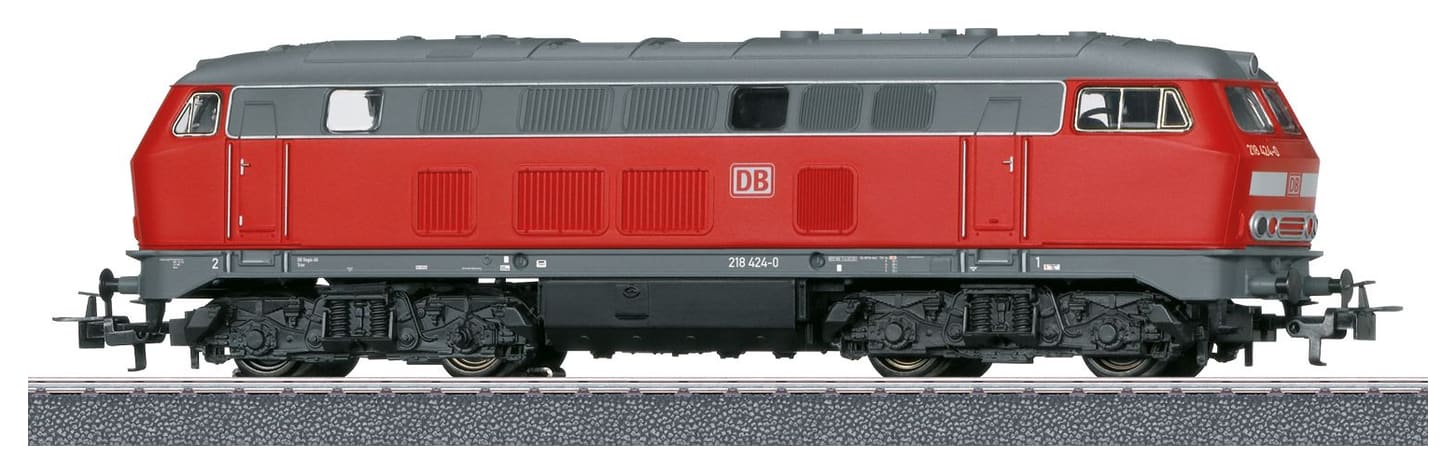
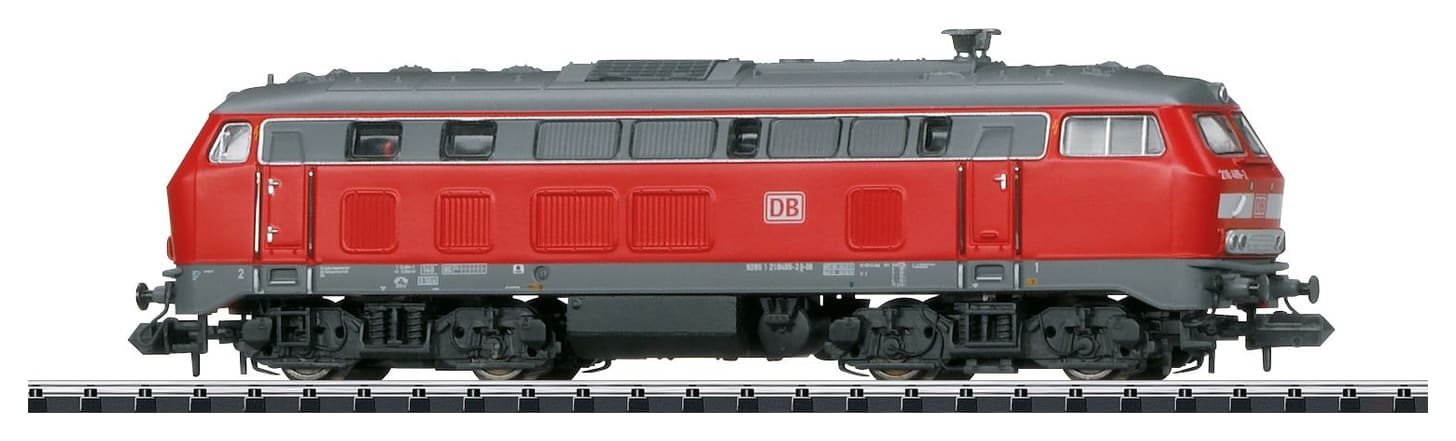
Märklin has owned Trix since January 1997 3. Märklin now uses the Trix name to sell two-rail DC models in HO and N; the N range is called Minitrix 3. New Trix HO models overlap more and more with Märklin's, and the main difference is the power system 3. If you like Märklin's German trains but want to run DC, look at Trix.
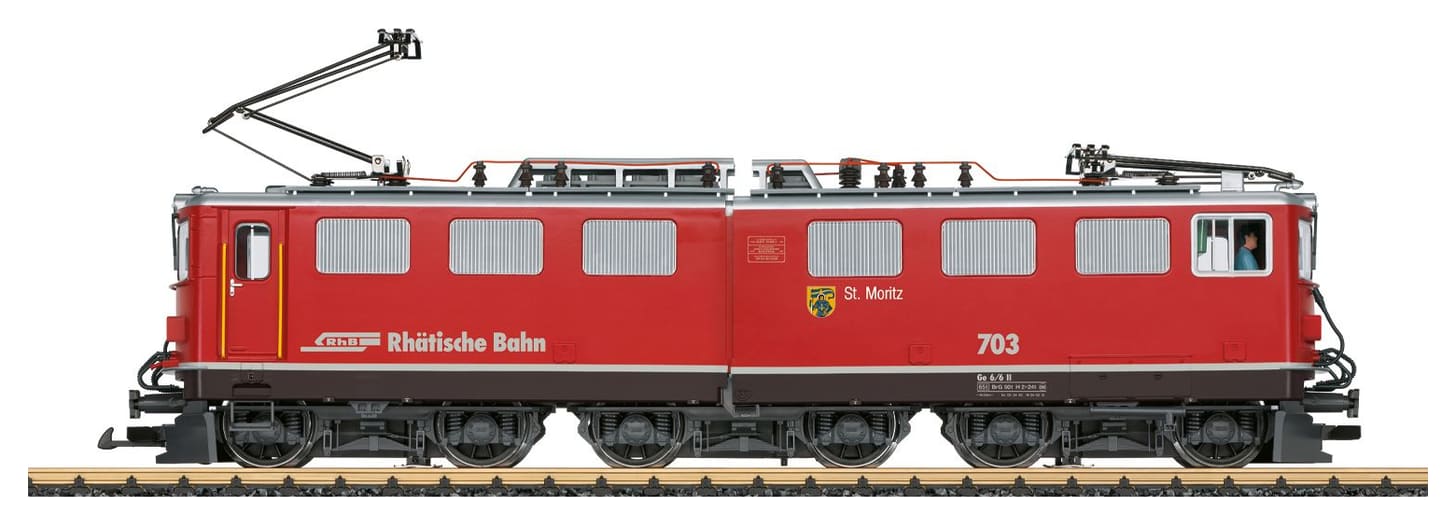
LGB (Lehmann Groß Bahn) was launched by the Lehmann company in 1968 and bought by Märklin in 2007 14. It makes large 1:22.5 models that run on 45 mm track, mostly for garden railways laid outdoors 24. It is the most popular garden railway system in Europe 4.
Among the European brands in the catalog, Märklin and Trix list the highest HO locomotive prices. Märklin's median is €449, with the middle half between €399 and €539 20. Märklin also has a beginner range called "Start up": the 8 HO locomotives in it are listed between €90 and €160 20.
Roco and Fleischmann
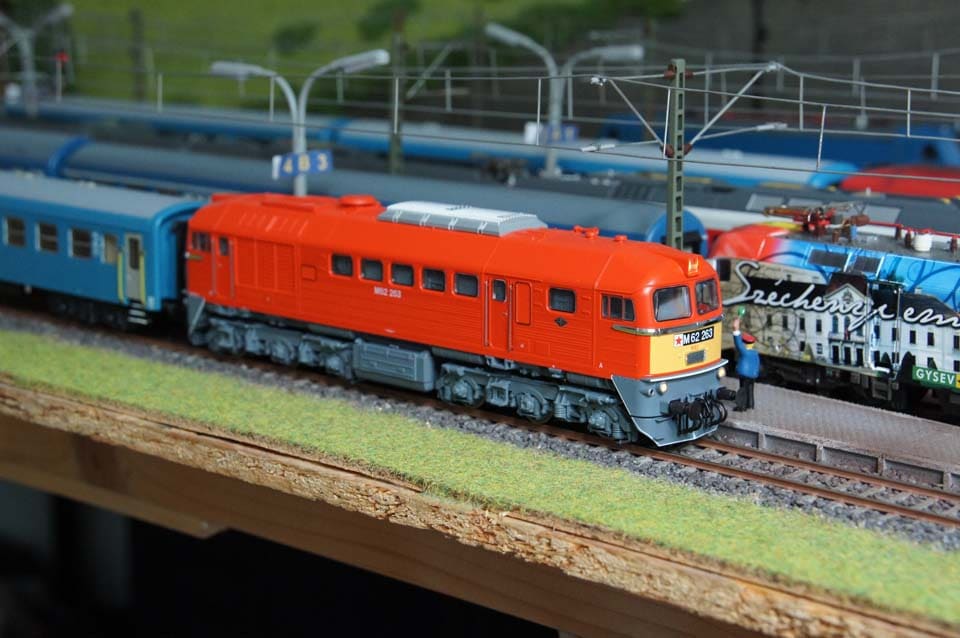
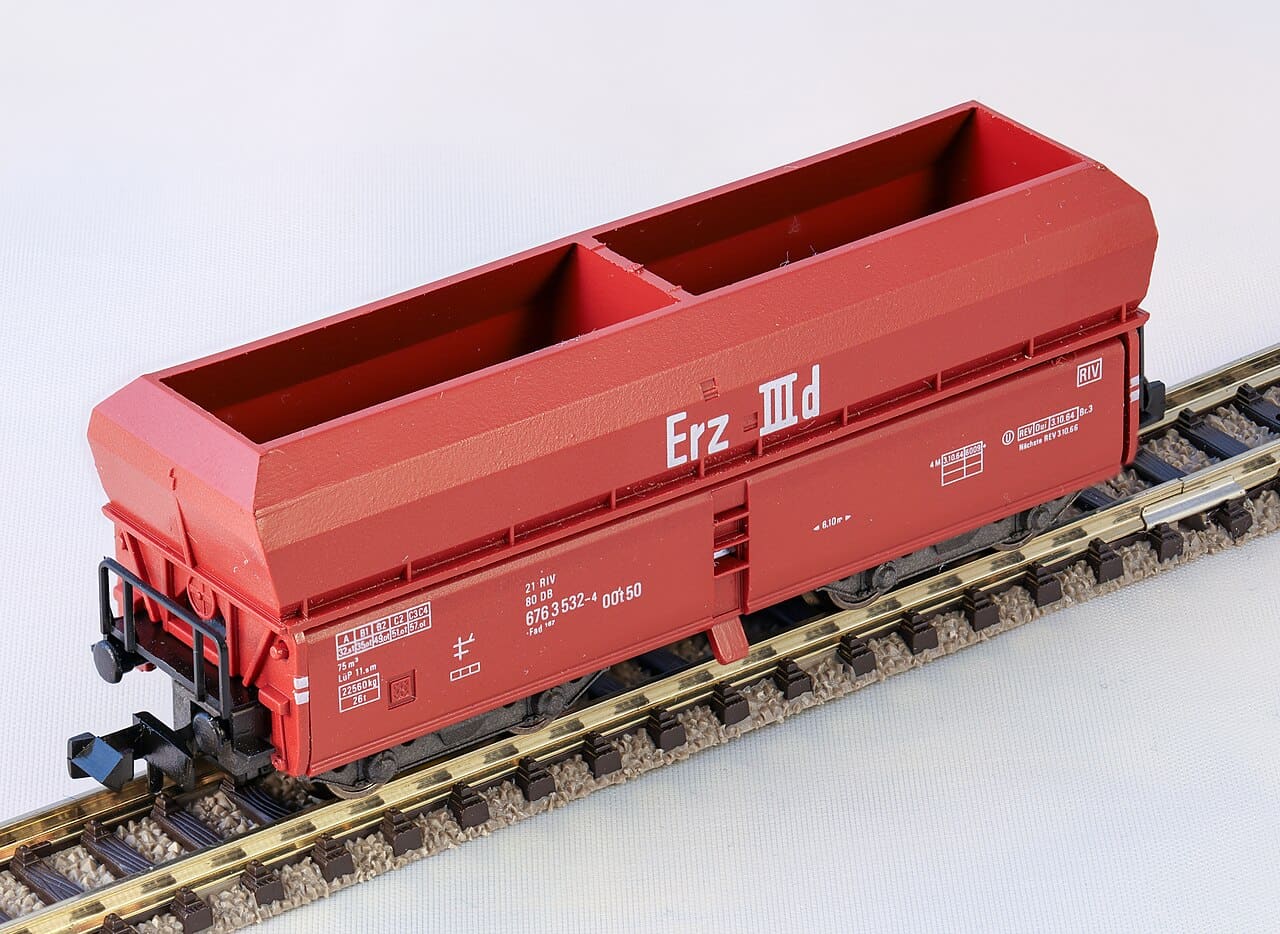
Roco was founded in 1960 by Heinz Rössler in Salzburg, Austria. It makes HO and N, and later added TT 5. In February 2008, Roco's parent company Modelleisenbahn bought Fleischmann, and the two brands have been run separately since 5. Since 2019, Fleischmann no longer makes HO and only makes N; its HO models moved to the Roco name 67. English Wikipedia describes the two together as the largest maker of two-rail DC models in Europe 5.
Roco's HO models also come in AC versions. In the 7-digit item numbers used since 2023, a third digit of 0, 1 or 2 means analog DC, digital DC or digital AC 2122 (see AC or DC, analog or DCC). So people on Märklin's AC system can buy Roco too, as long as they pick the AC version.
Roco's and Fleischmann's websites block automated access, so the catalog has no prices for them and we don't estimate any here 20.
Piko
Piko was founded in East Germany in 1949 as a state-owned company. After reunification, it was bought in 1992 by PIKO Spielwaren GmbH, set up by René F. Wilfer 8. It is based in Sonneberg and makes four scales: G, HO, TT and N 8.
Piko's HO locomotives come in several tiers. Its official shop splits them into Hobby, Expert and Classic ranges 20. Hobby is the entry-level range, with a median HO locomotive price of €149; Expert is the main range, at a median of €309 20. On a tight budget, start with the Hobby range. Most Piko HO locomotives are two-rail DC, but many also come in AC; the shop lists DC (Gleichstrom) and AC (Wechselstrom) separately 20.
Brawa and Liliput
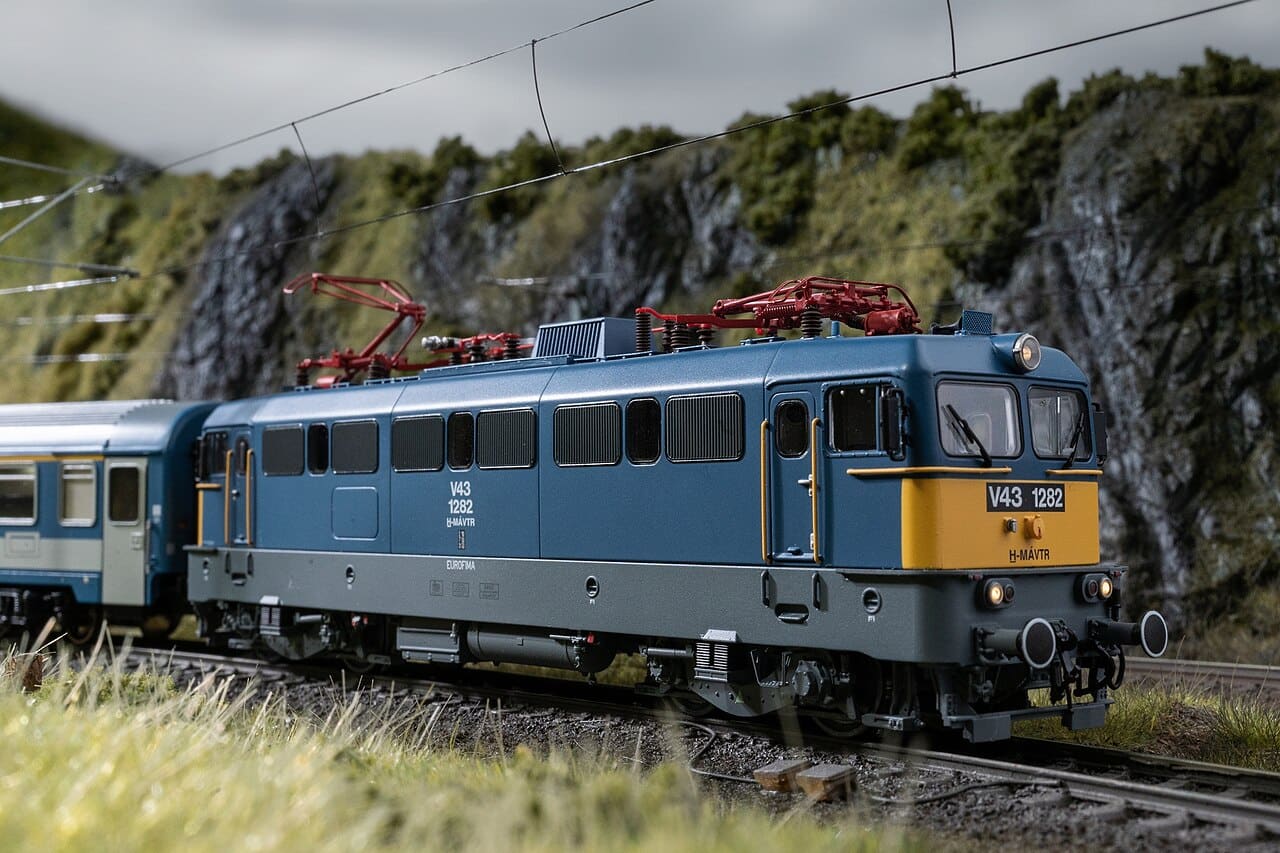
Brawa was founded in 1948 by Artur Braun in Waiblingen; the name comes from the first letters of "Artur Braun aus Waiblingen" 9. It started with accessories such as lighting and only began making rolling stock in 1993. Its HO models come in both DC and AC versions 9. Brawa's website shows no prices 20.
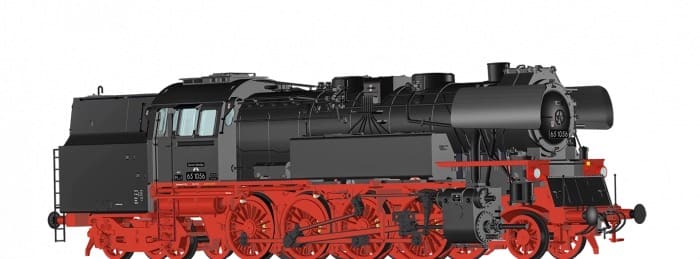
Liliput was founded in Vienna in 1947 10 and bought by Bachmann in 1992 11. The brand is now run by Bachmann Europe's German branch and makes HO, H0e (narrow gauge) and N 10. Its median listed HO locomotive price is €335 20.
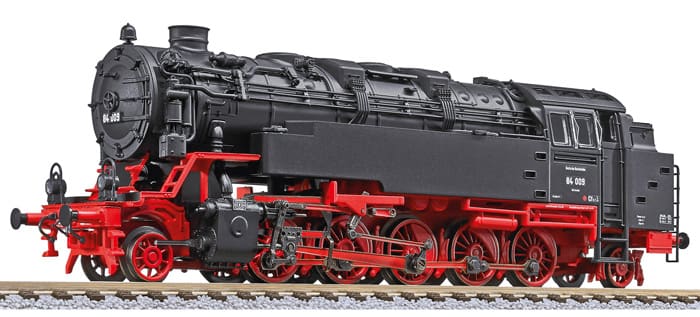
Britain and Italy
Hornby and Rivarossi
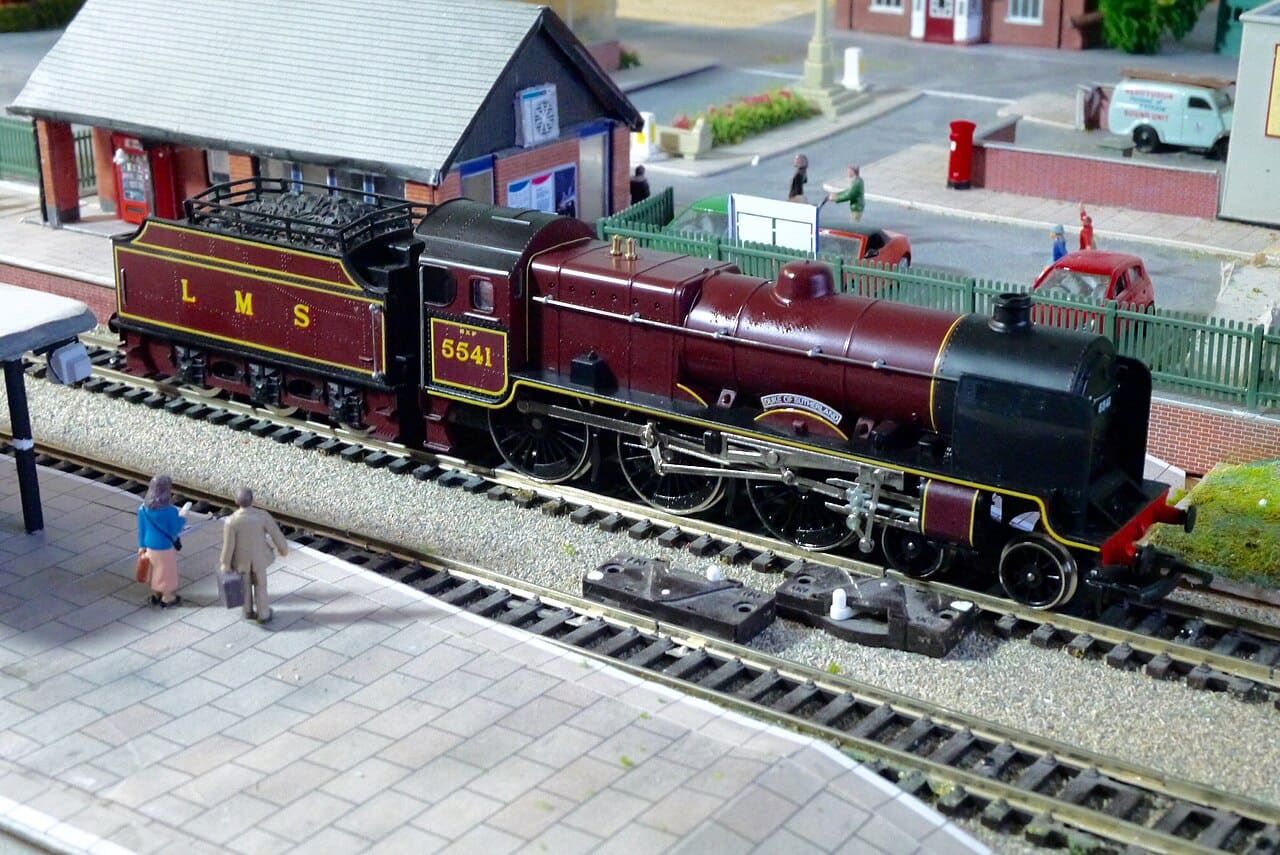
Hornby is a British brand that launched its first OO train in 1938 12. OO is the most popular scale in the UK 23. It is 1:76.2 but runs on 16.5 mm HO track, so the trains are a size bigger than 1:87 HO (see Scales and gauges). Hornby's catalog is mostly British prototypes 20. Its median listed OO locomotive price is £190 20.
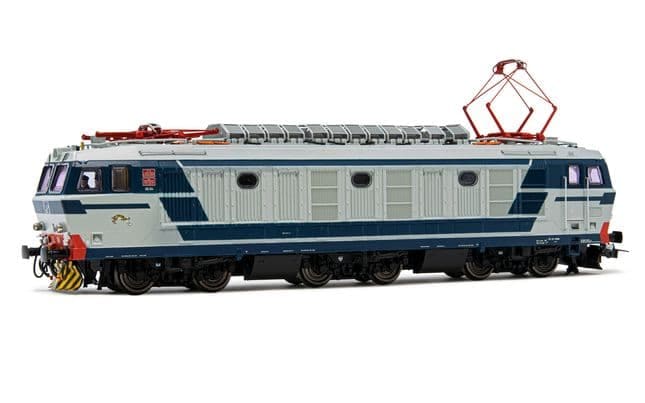
Hornby also owns several older European brands. Italy's Rivarossi was founded in 1945 and bought by Hornby in 2004 13; the same deal brought in Lima, Jouef, Arnold and other brands 1213. Hornby also bought the Spanish company Electrotren 12. All the locomotives in Rivarossi's online catalog are HO, mostly Italian prototypes, with a median listed price of £276 20.
Bachmann
Bachmann started in Philadelphia. It is now part of the Kader group, headquartered in Hong Kong, with models made in Dongguan 11. In the US it sells HO, N, On30, G and other scales 11. In the UK, Bachmann Europe sells OO models under the Branchline name and British 1:148 N models under the Graham Farish name 11. Bachmann used to focus on entry-level train sets, and in 1988 it launched the more detailed Spectrum range 11. The catalog does not cover Bachmann yet, so there are no prices here 20.
United States: Atlas
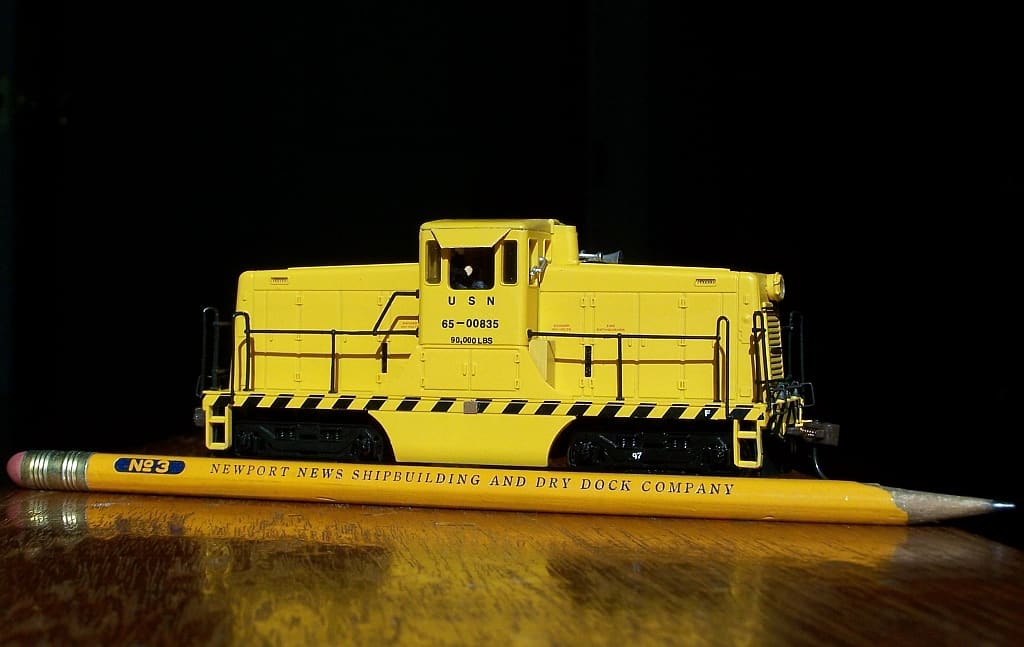
Atlas is based in New Jersey and makes N, HO and O models. It is best known for track: Flex Track, which can be bent to different curves, and track in code 55, 80, 83 and 100 rail heights 14. The code number is the rail height in thousandths of an inch, so code 55 rail is 0.055 inches tall 14. Atlas's website fills in prices with scripts, and the catalog could not collect them reliably, so we give no figures here 20.
Japan
Japanese scales first
N is the most popular scale in Japan 25. But Japanese N is 1:150, and only the Shinkansen uses 1:160 24. Most Japanese railways are 1,067 mm narrow gauge and the trains are smaller than European or American ones; at 1:150 they don't look too small next to Western models 24. Both ratios run on 9 mm track, so they share the same track 24.
The main larger Japanese size is "16-ban" (16番): 1:80 on 16.5 mm track 26. It uses the same track as Western HO (1:87), but the trains are a size bigger. Some Japanese shops and modelers call 16-ban "HO", which is wrong by the standards 26. When a Japanese site says "HO", check whether it means 1:80 or 1:87.
How Japanese trains are sold: basic, add-on and starter sets
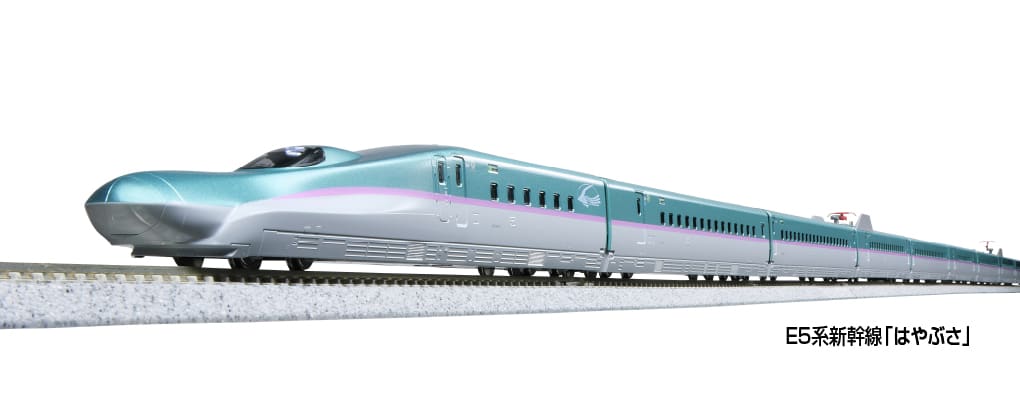
Many Japanese N-scale trains are sold as formations split across two or three boxes. The basic set (基本セット) contains the motorized car, and the add-on set (増結セット) adds more cars. Greenmax writes this straight into its product names: basic sets say 動力付き (powered) and add-on sets say 動力無し (unpowered) 20. Take KATO's E5 series Shinkansen "Hayabusa": the 3-car basic set is ¥12,210, add-on set A (3 cars) is ¥10,450 and add-on set B (4 cars) is ¥12,650, so the full 10-car train comes to ¥35,310 29.
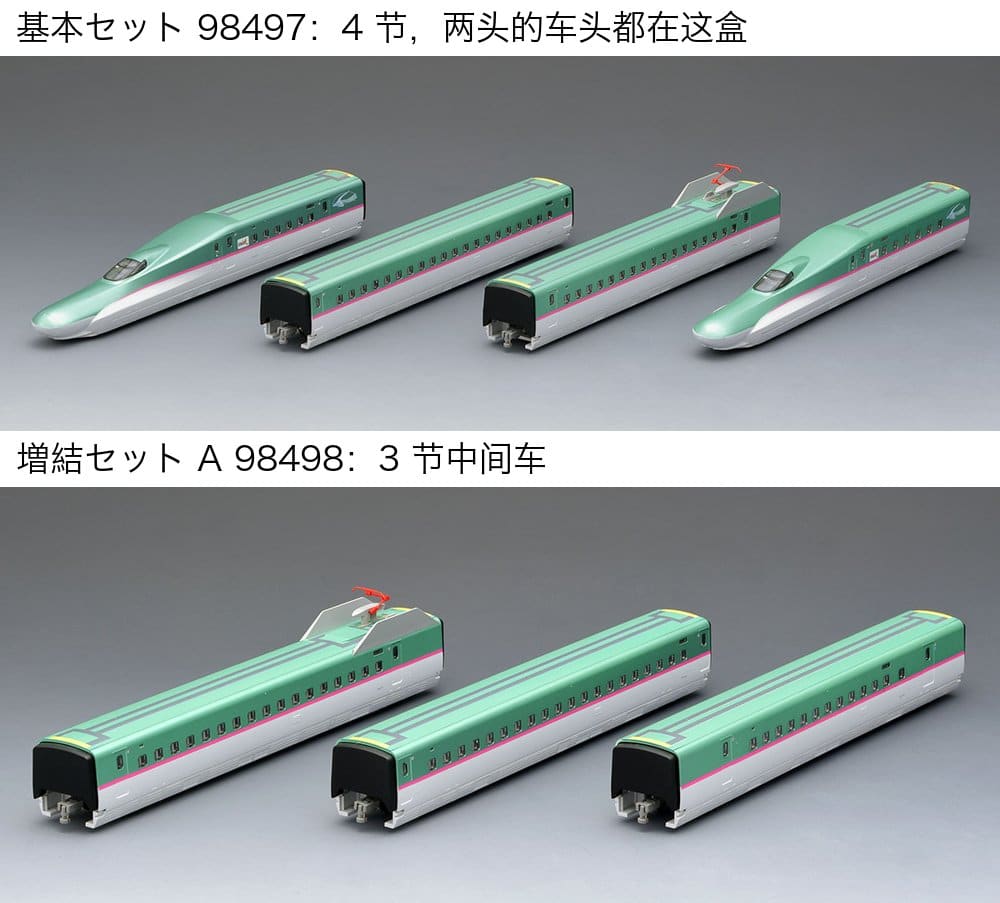
In the catalog, TOMIX's N basic sets have a median price of ¥18,700 and its add-on sets ¥12,100 20. TOMIX lists 334 products with 増結セット (add-on set) in the name 20.
To get everything at once, buy a maker's starter set (スターターセット), which includes a train, a loop of track and a controller 32. KATO's E5 starter set is ¥22,000 29 and its series 787 starter set is ¥29,150 32. TOMIX's starter sets are called "Basic Set SD" (ベーシックセット SD) and "First Set" (ファーストセット), listed between ¥13,200 and ¥31,900 20.
KATO
KATO's company name is Sekisui Kinzoku. It was founded in 1957 by Yuji Kato and is based in Tokyo 15. It began by making HO parts for other companies, and in 1965 released a C50 steam locomotive and an Oha 31 passenger car, Japan's first proper mass-produced plastic N-scale models 15. Today it makes two-rail DC N, HO and 16-ban rolling stock, plus track, buildings and controllers 15. KATO also exports: US models are sold through KATO USA, and European models are made to order for local manufacturers 15.
KATO's website lists prices including tax. Some examples: the N-scale EF65 1000 electric locomotive is ¥7,700 to ¥7,920 28, and the HO (16-ban) EF65 0 is ¥19,800 30. KATO is not in the catalog yet, so we can only give examples, not a median 20.
TOMIX
TOMIX has a history with America's Bachmann. The toy company Tomy imported Bachmann's N-scale products in 1969, and from 1974 sold Japanese models under the "Tomy Nine Scale" (トミーナインスケール) brand. Some of those early Japanese models were made by Kader in Hong Kong 16, the company that owns Bachmann today 11. Tomy created the TOMIX brand in 1976, and since 2001 it has been run by its subsidiary TomyTec 16.
TOMIX now makes two-rail DC N-scale trains, track, buildings and controllers, plus HO (16-ban) rolling stock 16. Besides hobby shops, TOMIX is sold in ordinary toy stores and large retail chains 16. Going by the product names, almost all the TOMIX trains and sets in the catalog are Japanese 20. The median price of a single N-scale locomotive is ¥8,580, and of an HO locomotive ¥43,780 20.
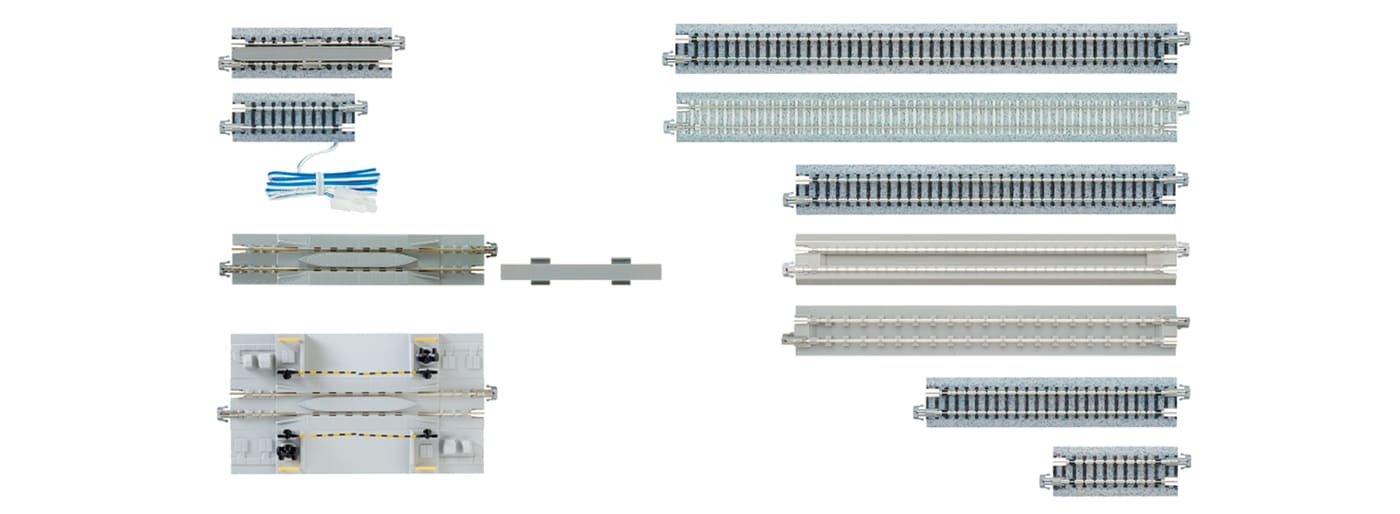
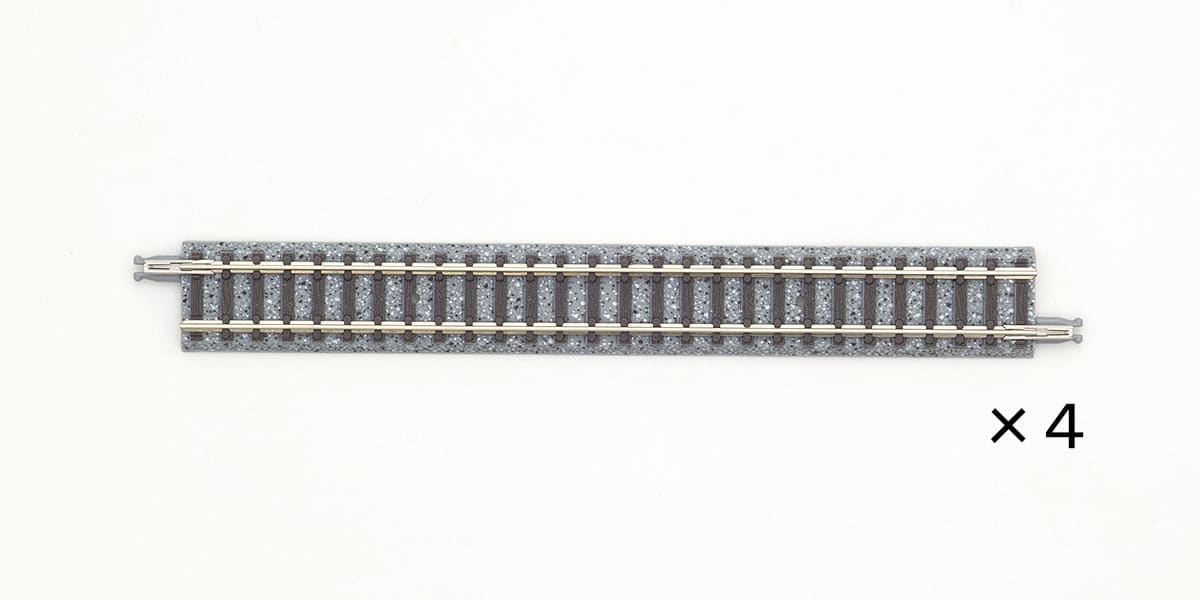
Two track systems: KATO Unitrack and TOMIX Fine Track
For Japanese N scale, the track is almost always one of these two. Both are sectional track with built-in roadbed that clips together, but the sizes and joiners differ:
| KATO Unitrack | TOMIX Fine Track | |
|---|---|---|
| Launched | 1980 27 | 2002 (an improved version of its earlier roadbed track) 16 |
| Basic N straight | 248 mm 27 | 140 mm, about one 20 m car at 1:150 16 |
| N double-track spacing | 33 mm 27 | 37 mm 16 |
| Joiner | Its own Unijoiner, which connects rail and roadbed together 27 | Metal joiner on the rail end plus a tab on the roadbed 16 |
| Power feed | A dedicated feeder track, or a Unijoiner with a feeder wire 27 | Most track pieces have a feeder socket in the roadbed 16 |
| HO version | Yes, basic straight 246 mm 27 | Not found |
The two cannot be joined directly. The joiners get in each other's way and the roadbed heights differ 19. To connect them you need an adapter track: KATO's is 20-045 and TOMIX's is 1529 19. So whichever brand your first track comes from, it is easiest to keep buying that brand (our suggestion).
Micro Ace
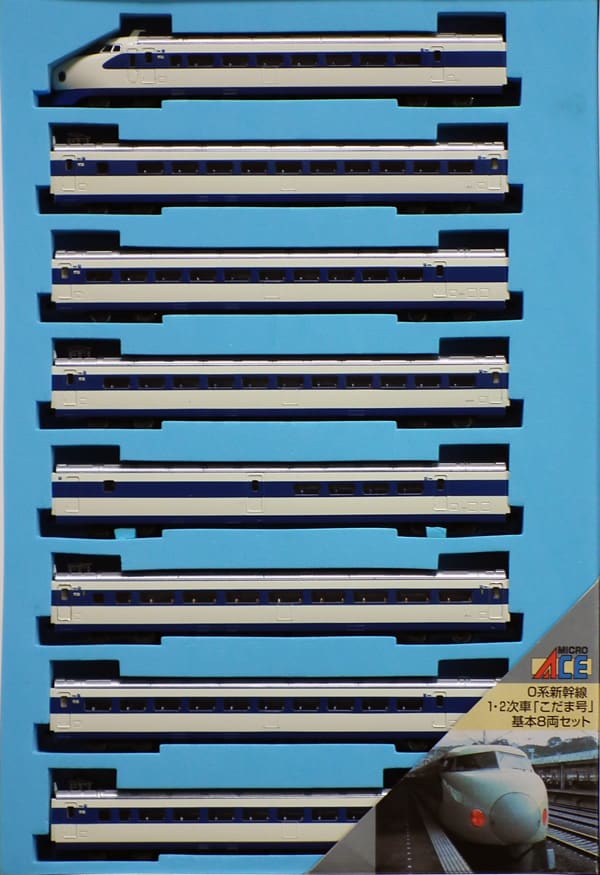
Micro Ace grew out of the model company Arii (有井製作所). It began selling China-made N-scale trains in 1996 and added HO (16-ban) in 2005 17. Almost all its N-scale trains are sold as complete formations 20. On its product list, the median N set is ¥19,580 and the median N basic set ¥21,780; HO products (all types combined) have a median of ¥21,780 20. The list doesn't mark discontinued items, so these figures mix old and new models 20.
Greenmax
Greenmax started in 1972 as a model shop in Itabashi, Tokyo 18. For many years it mainly made unpainted plastic N-scale kits that you assemble and paint yourself. From the mid-1990s it began selling pre-painted kits and ready-to-run models, and those two are now its main lines 18. It focuses on Japanese private railways and regional JR trains, often models that other ready-to-run makers don't produce 18.
In the catalog, Greenmax's N ready-to-run basic sets have a median price of ¥23,925 including tax, and its kits ¥3,960 20. (Greenmax's website data gives prices before tax, so we multiplied them by 1.1 to include tax and match TOMIX and Micro Ace 20.)
Tenshodo
Tenshodo is an old jewelry and watch shop in Ginza, Tokyo, that has sold model trains since 1949 31. It started by making brass models of American trains for US occupation personnel, and began exporting to the US in 1954 31. Tenshodo is best known for high-end brass models, made with the lost-wax casting used in jewelry 31. In recent years it has also worked with other companies on more affordable plastic and die-cast models; its plastic HO models are made with Bachmann 31. Tenshodo also distributes Roco, Bachmann and Kadee products 31. Its prices are not in the catalog, so we give none here 20.
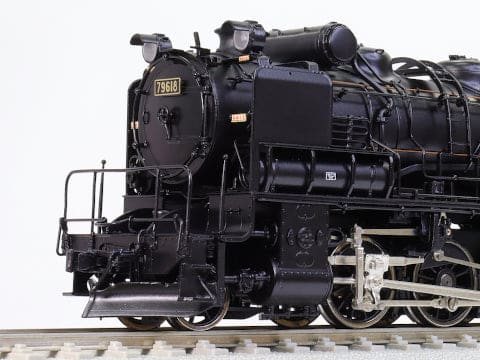
Bachmann and Japan
We found no Bachmann product range of its own in Japan. We did find three connections. The company that became TOMIX first imported Bachmann's N-scale trains 16. Some early TOMIX Japanese models were made by Kader, today Bachmann's parent company 1116. And Tenshodo makes plastic HO models with Bachmann and distributes Bachmann products 31.
How to read the prices
The prices above come from the Hobbee model train catalog: product listings collected from each brand's official website on October 6 and 7, 2026 20. How they were collected:
- These are official website prices. European brands are euro prices on the German official site or official shop (Märklin and Trix list recommended retail prices). Hornby and Rivarossi are pound prices on the UK sites. Japanese brands are the makers' prices including tax (Greenmax's are stored before tax, so we multiplied them by 1.1). They are not second-hand prices or discounted shop prices.
- For European and US brands we only counted locomotives, not cars, track or accessories. Japanese trains are mostly sold as formations, so we also counted basic sets, add-on sets and complete sets.
- For Piko we removed items the site marks as discontinued. For the other brands we used everything in the online catalog, including announced models that are not yet out.
- We give the median. Ranges in brackets or in the text are the middle half (25th to 75th percentile).
- Prices stay in their original currency and are not compared across currencies.
European and British brands (locomotives):
| Brand | Scale | Locomotives | Middle half | Median |
|---|---|---|---|---|
| Märklin | HO | 111 | €399 to €539 | €449 |
| Märklin | Z | 14 | €245 to €279 | €264 |
| Trix | HO | 108 | €399 to €506 | €449 |
| Minitrix (Trix) | N | 62 | €312 to €349 | €337 |
| Piko (all) | HO | 977 | €225 to €345 | €295 |
| Piko Hobby range | HO | 77 | €123 to €179 | €149 |
| Piko Expert range | HO | 890 | €233 to €349 | €309 |
| Piko | N | 85 | €205 to €319 | €255 |
| Piko | TT | 98 | €179 to €303 | €227 |
| Liliput | HO | 36 | €259 to €356 | €335 |
| Hornby | OO | 148 | £111 to £230 | £190 |
| Rivarossi | HO | 136 | £210 to £334 | £276 |
Japanese brands (yen, including tax):
| Brand | Product | Items | Middle half | Median |
|---|---|---|---|---|
| TOMIX | N locomotive (single) | 197 | ¥7,920 to ¥9,900 | ¥8,580 |
| TOMIX | N basic set | 287 | ¥16,280 to ¥22,880 | ¥18,700 |
| TOMIX | N add-on set | 279 | ¥8,800 to ¥16,280 | ¥12,100 |
| TOMIX | HO (16-ban) locomotive | 135 | ¥36,080 to ¥61,380 | ¥43,780 |
| Micro Ace | N complete set | 2,081 | ¥15,180 to ¥24,750 | ¥19,580 |
| Micro Ace | N basic set | 204 | ¥19,250 to ¥26,840 | ¥21,780 |
| Greenmax | N ready-to-run (all) | 1,341 | ¥18,370 to ¥32,120 | ¥23,980 |
| Greenmax | N ready-to-run basic set | 296 | ¥19,882 to ¥27,088 | ¥23,925 |
| Greenmax | N kit | 479 | ¥1,815 to ¥6,710 | ¥3,960 |
KATO is not in the catalog, so here are single examples from its website: the N-scale EF65 1000 at ¥7,700 to ¥7,920 28, the 3-car E5 series basic set at ¥12,210 29, and the HO EF65 0 at ¥19,800 30.
Brands with no price data: Roco and Fleischmann (their sites block automated access), Brawa (no prices on its site), Atlas (prices are filled in by scripts and could not be collected reliably), and LGB, Bachmann and Tenshodo (not in the catalog yet). This article gives no price range for them.
How a beginner should choose
These are our suggestions, not rules.
- Narrow it down by scale and system first. On Märklin's AC system, look at Märklin plus the AC versions from Roco and Piko. For two-rail DC HO, look at Trix, Roco, Piko, Liliput and others.
- For HO on a budget, look at Piko's Hobby range and Märklin's Start up range. By median price, a Piko Hobby locomotive costs about half as much as an Expert one, and a Märklin Start up locomotive about a quarter of Märklin's HO median (see the table and the Märklin section).
- For Japanese trains, start in N with a KATO or TOMIX starter set, which gets you a train, track and controller in one box 2032. Keep buying track from the same brand afterwards, since the two only connect with adapter track 19. For particular private railway or regional trains, look at Micro Ace and Greenmax.
- For British trains, choose OO: both Hornby and Bachmann's Branchline make it 1112.
Common pitfalls
- Looking at the brand but not the system. Märklin is three-rail AC 1, while Trix, in the same group, is DC 3. Roco and Piko may make the same model in both DC and AC versions 2021.
- Treating website prices as what you'll actually pay. The prices above are official website prices; second-hand and discounted shop prices will differ. This article doesn't cover second-hand prices.
- Assuming the two big Japanese brands' track fits together. KATO and TOMIX track cannot be joined directly 19.
- Expecting new Fleischmann HO models. Since 2019 Fleischmann has made only N, and its HO models are sold under the Roco name 67. So any Fleischmann HO model on a second-hand site is from before 2019 (our inference).
- Mixing British OO trains into an HO layout. OO and HO share the same track gauge, but OO trains are a size bigger (see Scales and gauges).
- Assuming "HO" on a Japanese site means 1:87. Japanese "HO" trains are usually 1:80 16-ban, and look a different size next to 1:87 Western HO 26.
- Running Shinkansen with other Japanese trains. Shinkansen N is 1:160 and other Japanese N is 1:150 24. They run on the same track, but the size difference shows when they're side by side.
- Buying only an add-on set. Add-on sets are usually unpowered, so one won't run by itself. Buy the basic set or a starter set first 20.
Related terms
Sources
The numbers match the [n] markers in the text. Sources 1 to 20 and 26 to 32 were accessed on 2026-10-07. Sources 21 to 25 are shared with our two earlier articles and were checked on 2026-10-05 (26 is also used in Scales and gauges).
- Wikipedia, *Märklin*
- Märklin, *Our brands*
- Wikipedia (German), *Trix*
- Wikipedia, *LGB (trains)*)
- Wikipedia, *Roco (model railroads)*)
- Wikipedia, *Fleischmann (model railroads)*)
- OTS press release (German), *Spritzgussproduktion wird aus Gloggnitz in die Slowakei verlagert* (Modelleisenbahn Gruppe, 2018-03-02)
- Wikipedia, *PIKO*
- Wikipedia (German), *Brawa*
- Wikipedia (German), *Liliput (Modelleisenbahn)*)
- Wikipedia, *Bachmann Industries*
- Wikipedia, *Hornby Railways*
- Wikipedia, *Rivarossi*
- Wikipedia, *Atlas Model Railroad*
- Wikipedia (Japanese), *関水金属* (Sekisui Kinzoku)
- Wikipedia (Japanese), *TOMIX*
- Wikipedia (Japanese), *マイクロエース* (Micro Ace)
- Wikipedia (Japanese), *グリーンマックス* (Greenmax)
- Midnine (model shop), *KATOレールとTOMIXレールを繋ぐ方法* (How to connect KATO and TOMIX track)
- Hobbee model train catalog: listed prices and product details collected from each brand's official online catalog on 2026-10-06/07. Data from: Märklin, Trix, Piko official shop, Liliput, Hornby, Rivarossi, TOMIX product list, Micro Ace, Greenmax
- modellbahninfo.org, *Baureihe 144 / E 44 / DR 244: Roco 7500078 / 7500124 / 7500079* (2025-02-05)
- Mostviertler Modellbahnhof, *ROCO Frühjahrsneuheiten 2023*
- Wikipedia, *HO scale*
- Wikipedia (Japanese), *Nゲージ* (N gauge)
- Wikipedia, *N scale*
- Wikipedia (Japanese), *16番ゲージ* (16-ban gauge)
- Wikipedia (Japanese), *ユニトラック* (Unitrack)
- KATO, EF65 1000 late type (3061-1 / 3061-2)
- KATO, E5 series Shinkansen "Hayabusa" (10-1969 / 10-1970 / 10-1971 / 10-002)
- KATO, (HO) EF65 0 standard livery (1-304)
- Wikipedia (Japanese), *天賞堂* (Tenshodo)
- KATO, N-gauge starter set series 787 "Around the Kyushu" (10-015)
Updated 2026-10-07
Found what you're after?
Tell us the exact listing and we'll quote it — no price comparisons here, just sourcing.
You get a quote first; you only pay after you confirm it.