

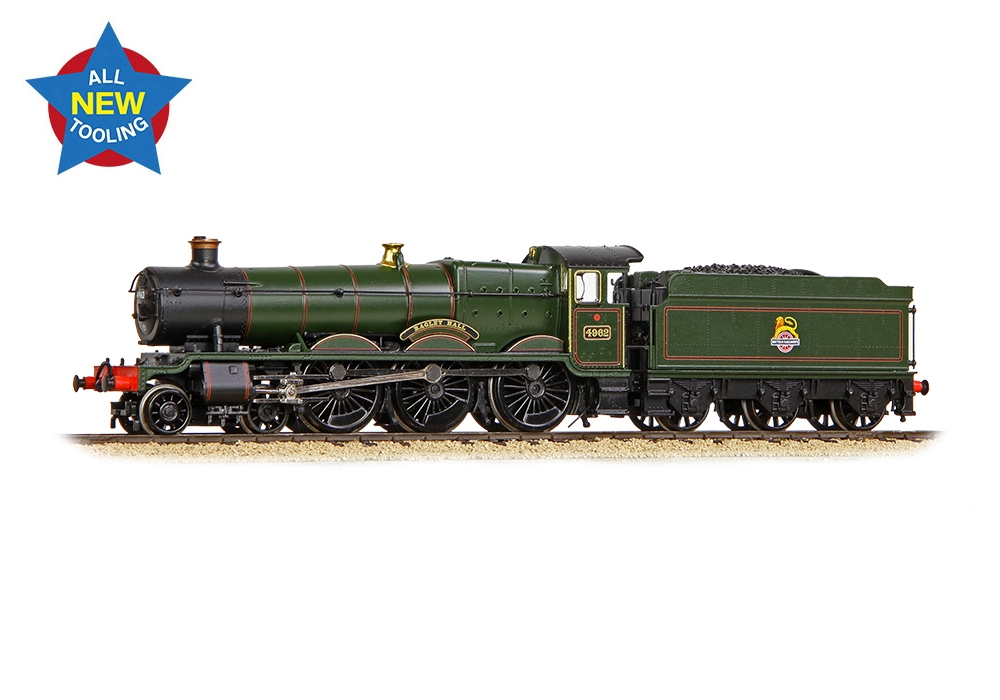
GWR 49XX 'Hall' 4962 'Ragley Hall' BR Lined Green (Early Emblem)
Graham Farish · 机车 · N
我们帮你买、验货、寄给你。付款之前,你会先看到包含运费的准确总价。
到厂商官网查看 ↗规格
- 货号
- 372-010
- 比例
- N1:148–160
- 轨距
- 9 毫米
- 类型
- 机车
厂商没有给出的字段直接不显示,不留空行。
厂商原文
The Great Western Railway (GWR) was famous for its variety of 4-6-0 steam locomotive classes, and none were more numerous and successful than the 49XX ‘Hall’ Class. After a long period of absence from the Graham Farish range, the ‘Hall’ makes a triumphant return for 2025 with this brand new model that has been designed from the rails up to produce a masterpiece in miniature befitting of such an iconic prototype. These mixed traffic machines were found across the Great Western network and beyond, and the new Graham Farish models will find many stablemates in the Bachmann range – from other locomotives to rolling stock and Scenecraft buildings – all suited to creating an authentic Western scene. Constructed from a multitude of high-fidelity parts and decorated with an exquisite paint finish, the new Graham Farish ‘Hall’ has an impressive technical specification to match. Employing a powerful coreless motor to drive the wheels through a diecast metal gearbox, electrical pickup comes from all driving and tender wheels and separate metal bearings are fitted to the driving wheel axles assuring smooth and reliable running. The tender houses a speaker and Next18 DCC decoder socket, making it easy to add sound, or opt for a SOUND FITTED version and the work is done for you, so you can enjoy realistic sound effects straight from the box on both Analogue and DCC. GRAHAM FARISH GWR HALL CLASS SPECIFICATION MECHANISM: DETAILING: DCC: SOUND: LIVERY APPLICATION: GWR HALL CLASS HISTORY The 49XX ‘Hall’ Class was the most numerous 4-6-0 locomotive built by the Great Western Railway (GWR), with the type being first conceived in 1924 to meet the GWR’s need for a powerful mixed traffic locomotive. The previous year the GWR’s Chief Mechanical Engineer Charles B. Collett had turned to the Star Class as the basis for his new express passenger locomotive, the ‘Castle’, and for the ‘Hall’ he again used an existing design as his starting point – the ‘Saint’. Saint Class No. 2925 ‘Saint Martin’ entered Swindon Works and emerged in December 1924 with new, smaller driving wheels and a new ‘Collett’ cab much like those fitted to the ‘Castles’. Still named ‘Saint Martin’, the locomotive embarked on a series of trials over a three-year period which led Collett to make minor changes to the design before the first new ‘Halls’ were ordered in December 1927. By 1930 eighty had been delivered, numbered 4901 to 4980 (‘Saint Martin’ was renumbered to 4900 in 1928). The ‘Halls’ soon proved to be very successful and further orders were placed; in all 12 lots totalling 258 locomotives (259 including ‘Saint Martin’) had been built at the GWR’s Swindon Works by 1943. Further ‘Halls’ would be built, but these were of the Modified Hall Class, built to the design of Frederick W. Hawksworth who took over from Collett in 1941. All 258 of the new-build locomotives were named, unsurprisingly the names were chosen from English and Welsh country houses with ‘Hall’ in their title. For such a large class, there were very few variations in the design over the 15-year build period and just three diagrams were used, most notably to differentiate the three different types of tenders the ‘Halls’ were outshopped with. The first examples were coupled to 3,500-gallon Churchward tenders, followed by a small number of engines paired with a newer Collett-designed 3,500-gallon tender. From No. 4962 however a 4,000-gallon tender designed by Collett was employed, becoming the standard tender for the class. Later tender swaps saw some of the ‘Halls’ paired with Hawksworth tenders originally built for the Modified Hall Class. The first ‘Halls’ were allocated to the West Country but as numbers grew, they quickly spread throughout the GWR network and they were employed on mixed traffic duties as varied as the names they carried, from freight to empty stock moves and they could even be found hauling some of the most prestigious named express trains. A single example was withdrawn in 1941 following damage sustained from enemy action during the Second World War, but otherwise the entire fleet was inherited by British Railways (BR) upon Nationalisation in 1948. BR continued to use the ‘Halls’ for mixed traffic duties and gave them the classification 5MT, and by the end of 1961 just a dozen had been retired. Withdrawals then accelerated as the number of new diesel locomotives grew and by 1965, the final year of standard gauge steam on the Western Region, just 50 ‘Halls’ remained in traffic. All had gone by the end of the year. Eleven of Collett’s Hall Class locomotives survived into preservation, all being saved via the famous Barry Scrapyard, but today only 10 remain after No. 4942 ‘Maindy Hall’ was converted to Saint Class No. 2999 ‘Lady of Legend’ – a reversal of the works undertaken in 1924 to create the class pioneer ‘Saint Martin’. Two of the preserved locomotives, Nos. 4920 ‘Dumbleton Hall’ and 5972 ‘Olton Hall’, are currently on loan to Warner Brothers and can now be found at Harry Potter attractions in Tokyo and London respectively, after ‘Olton Hall’ was renamed as ‘Hogwarts Castle’ for use in the Harry Potter films.
厂商发布的英文原文。
Graham Farish 的其他商品
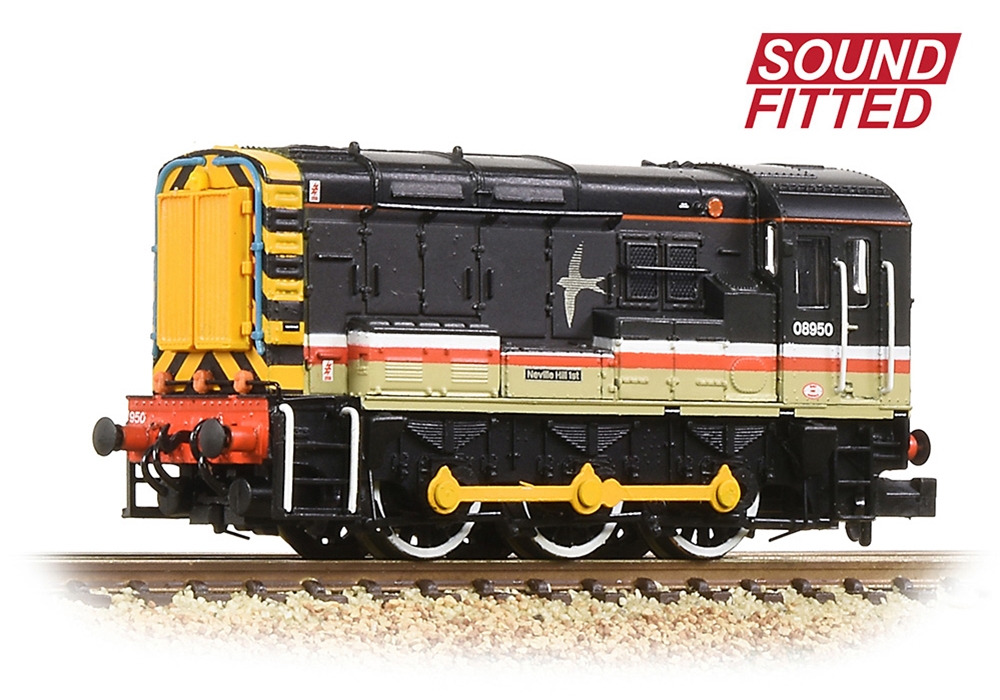
Class 08 08950 'Neville Hill 1st' BR InterCity (Swallow)
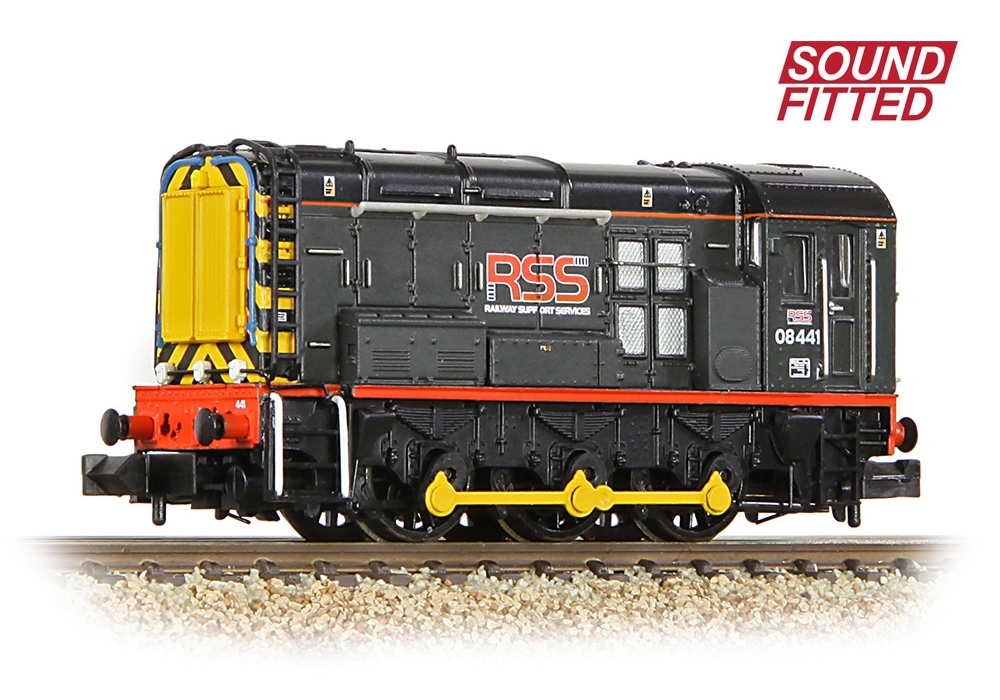
Class 08 08441 RSS Railway Support Services
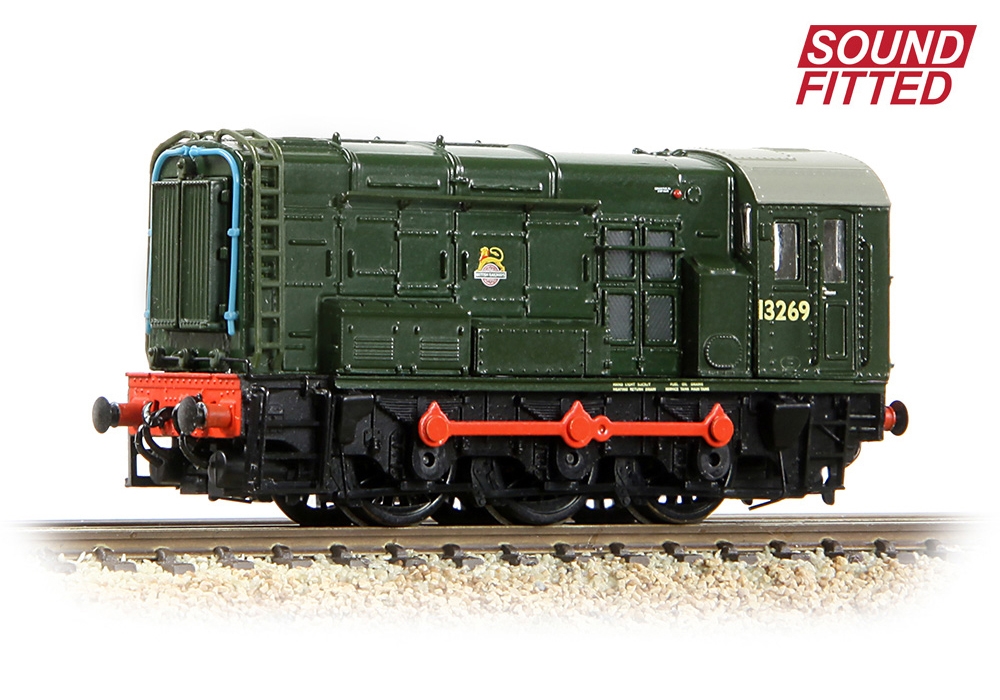
Class 08 13269 BR Green (Early Emblem)
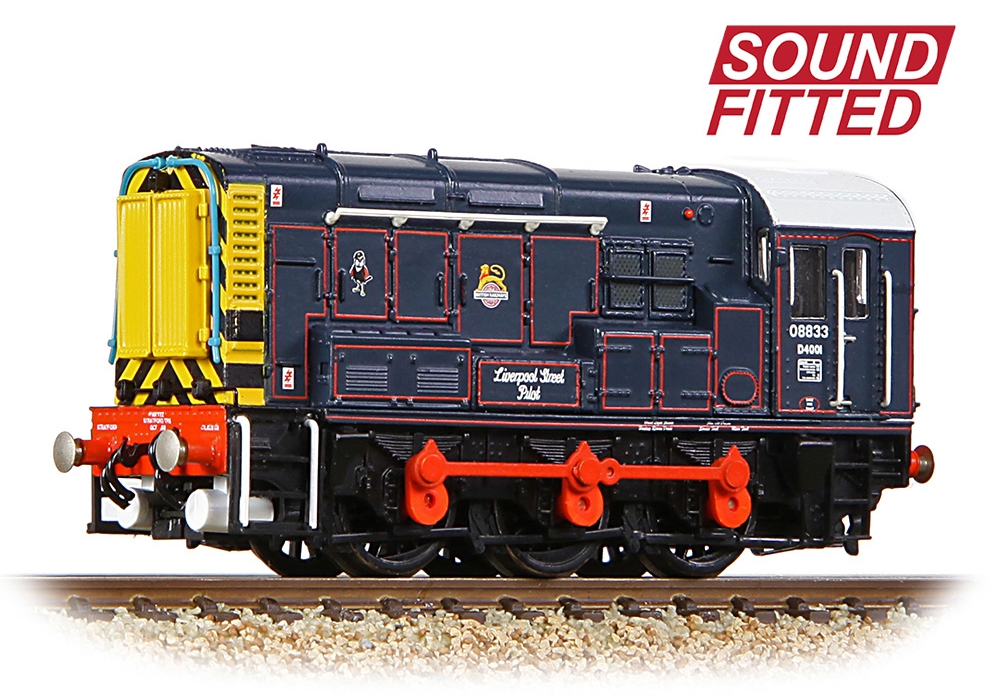
Class 08 08833 'Liverpool Street Pilot' BR/GER Lined Blue (Early Em.)
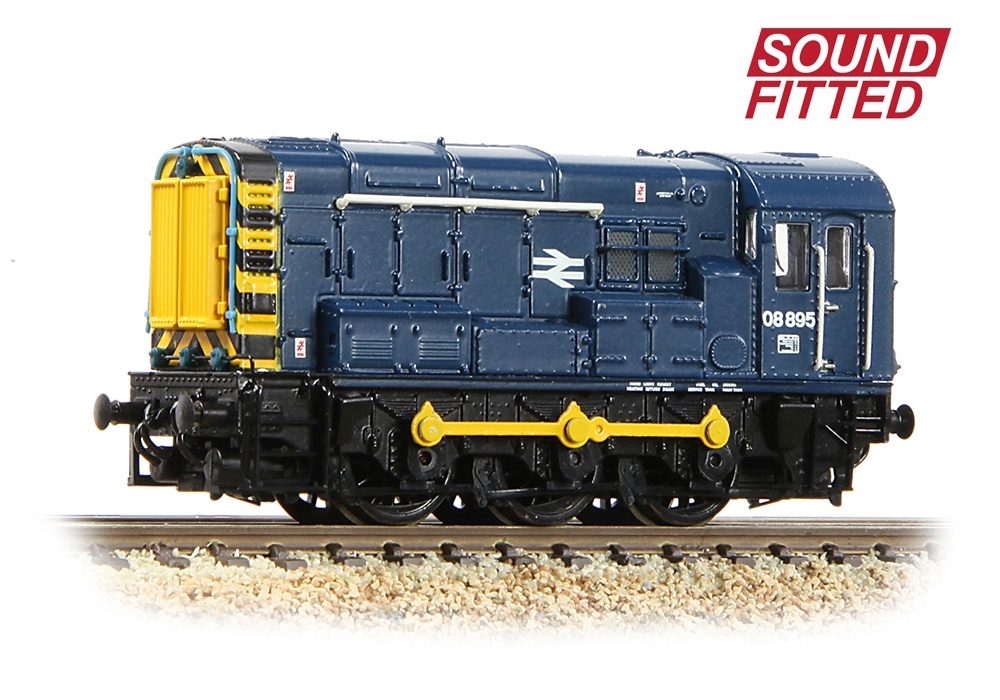
Class 08 08895 BR Blue
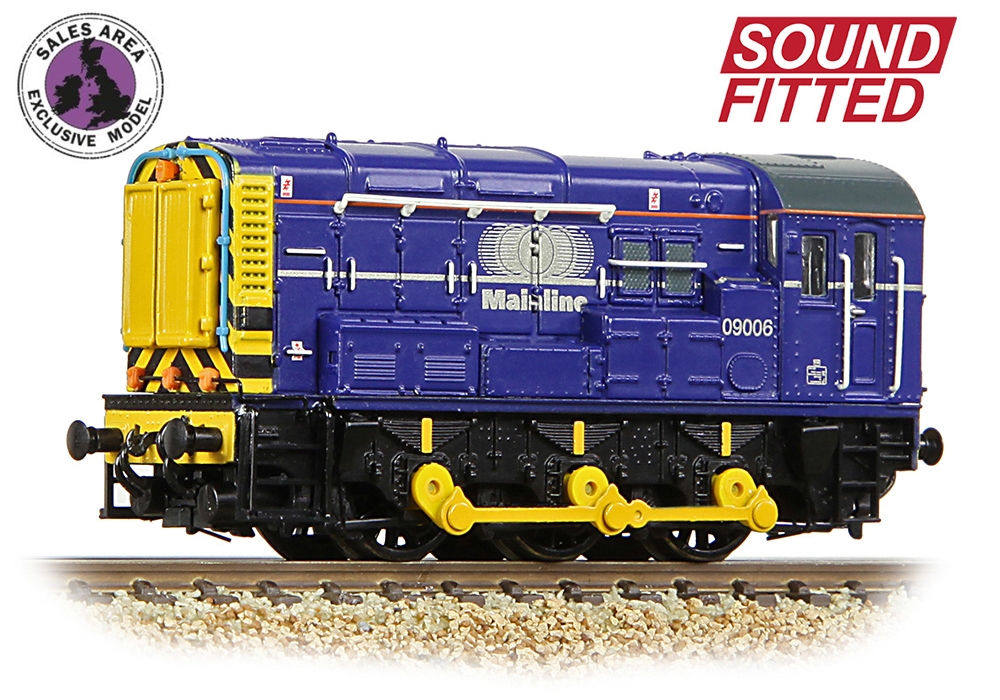
Class 09 09006 Mainline Freight
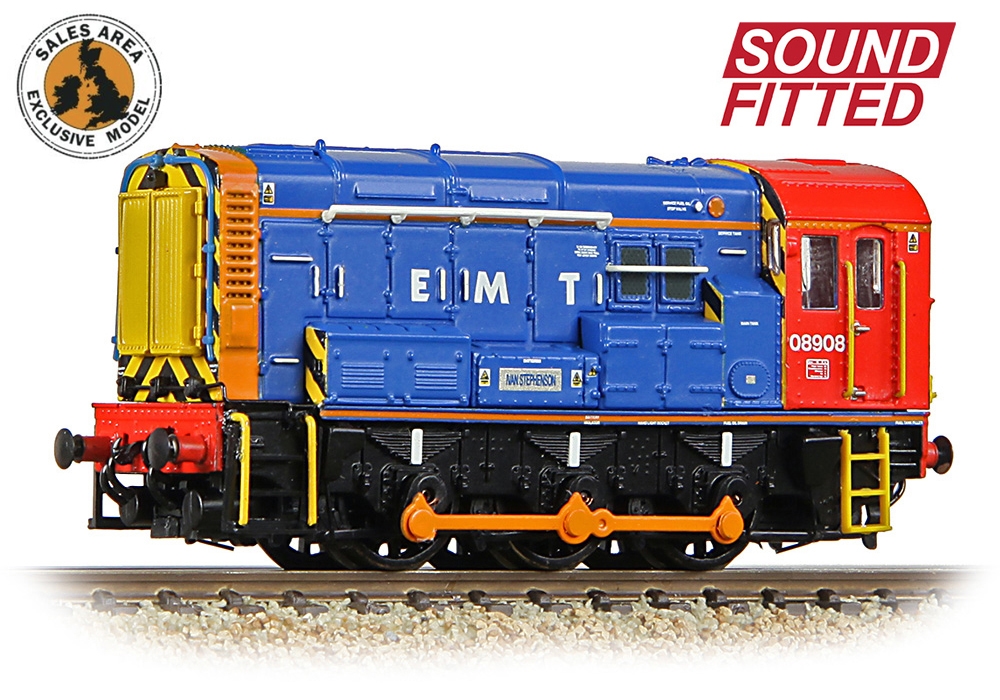
Class 08 08908 East Midlands Trains
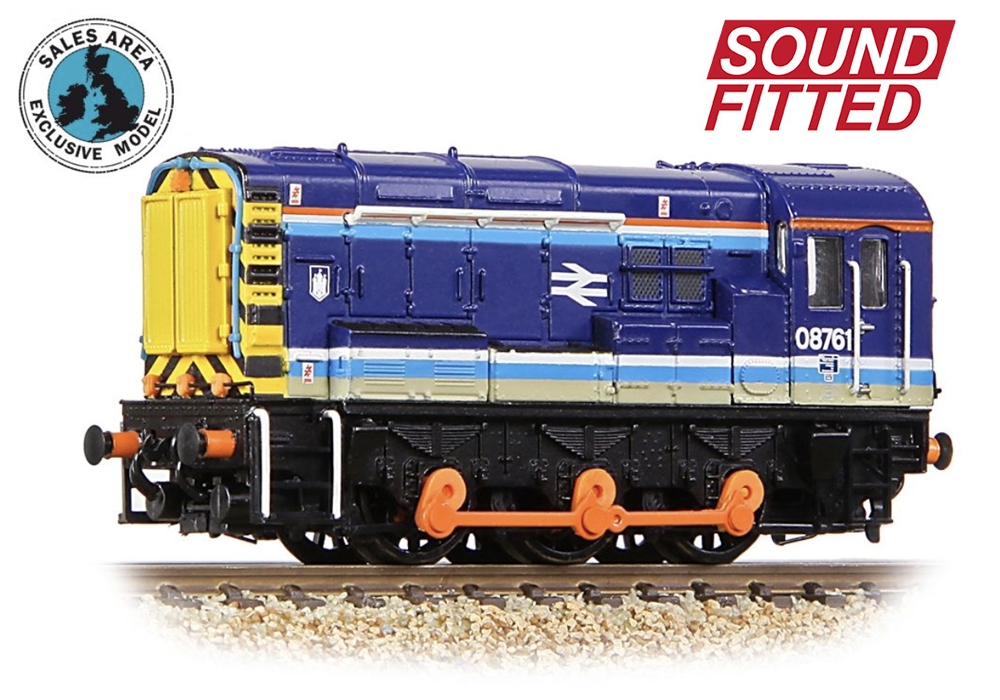
Class 08 08761 BR Provincial
← 返回 Graham Farish全部目录商品读读厂商指南