

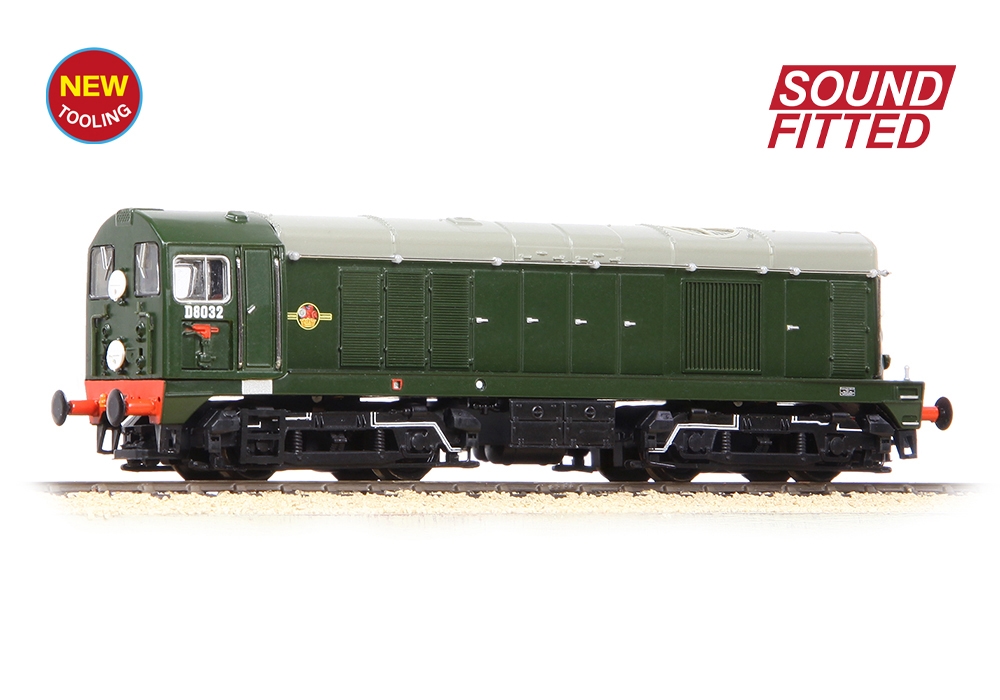
Class 20/0 Disc Headcode & Tablet Catcher D8032 BR Green (Late Crest)
Graham Farish · 机车 · N
我们帮你买、验货、寄给你。付款之前,你会先看到包含运费的准确总价。
到厂商官网查看 ↗规格
- 货号
- 371-030ASF
- 比例
- N1:148–160
- 轨距
- 9 毫米
- 类型
- 机车
厂商没有给出的字段直接不显示,不留空行。
厂商原文
The Class 20 was one of the most successful designs born from British Rail’s Modernisation Plan, and the Graham Farish model of this English Electric icon has long been a worthy replica but following a works visit, our N Scale model is back and better than ever before. New tooling has been added to the Graham Farish Class 20 suite allowing models of the locomotives that were built to work in Scotland to be offered for the first time. More than half of the initial 128 locomotives were ordered for the Scottish Region, and these were built with larger cab side windows and bodyside recesses below, allowing tablet catchers to be fitted which could be accessed by crew from within the cab, and these features are incorporated into this model of No. D8032, including the tablet catcher gear. Inside the detailed bodyshell, the model has gained a new chassis which is now equipped with a Next18 DCC Decoder interface and a pre-fitted speaker, allowing SOUND FITTED versions to be offered for the first time. A full array of directional lighting completes the technology features of this impressive diesel, and a set of headcode discs is supplied with each model to allow the correct headcode to be displayed for individual requirement. DETAIL VARIATIONS SPECIFIC TO THIS MODEL GRAHAM FARISH CLASS 20/0 SPECIFICATION MECHANISM: DETAILING: LIGHTING: DCC: SOUND: LIVERY APPLICATION: CLASS 20/0 HISTORY The British Railways Board's 1955 Modernisation Plan heralded the mass replacement of steam locomotives with diesel and electric traction and as part of this, manufacturers were asked to produce trial or initial designs for evaluation. English Electric submitted its design for a 1,000hp, Type 1 Bo-Bo diesel locomotive and secured an order for twenty as a pilot scheme for assessment. The first batch was built in 1957, and the diesels were assigned to work from Devon's Road depot, East London. The design was a success from the start, and several follow-on orders were quickly placed, by 1962 a total of 128 of these Type 1s had been built. The design initially featured headcode discs and marker lights at each end, echoing the 4-position train reporting system used on steam locomotives. More than half of these locomotives were allocated to the Scottish Region and for this they were built with two defining features. A bodyside recess was built into each cab side which could accommodate swing out tablet catchers needed for the semi-automatic exchange of tokens used for single line operation. The second was the cab side windows which were deeper, giving crew access to reach the tablet catcher fitted into the recess below. As it happened, few locomotives had catchers fitted into their recesses as the practice ended soon after the diesels arrived. Whilst the English Electric Type 1s were a success, the same could not be said for many other pilot scheme designs and following assessment of all the Type 1 diesels, BRB placed a further order taking the fleet to 228 examples by 1968 and the design became the BR standard for 1,000hp diesel locomotives. Meanwhile, BR had moved from the traditional disc headcodes for train reporting to a new 4-character alpha-numeric system and so the final 100 locomotives arrived with a new central headcode box at either end in place of the discs and marker lights. With the introduction of the Total Operations Processing System (TOPS) in the 1970s the Type 1s were designated Class 20 and renumbered 20001 to 20228. The locomotives were principally designed for freight work but also saw service on summer passenger trains where train heating was not required. The Class 20s worked over the Eastern, London Midland and Scottish regions as well as into Wales and were commonly associated with coal traffic. The only drawback the Class had was its single end cab, unlike modern designs that have a cab at each end. BR resolved this problem by regularly operating the Class 20s as pairs, nose to nose, and with the combined power of 2,000hp they were able to haul the heavier block freight trains. BR's decision to switch to Type 5 and in particular Class 60 diesels in the late 1980s started a gradual withdrawal of the fleet, with just 28 left by 1994. However, 15 locomotives gained a new lease of life as part of the Direct Rail Services (DRS) upgrade and refurbishment programme which commenced in 1995, the product of which were the Class 20/3s. Today, some of the Class 20/3s remain in use on the national network, alongside a small number of original Class 20s which are now in private ownership. The type is well represented in preservation too, with around twenty Class 20s now in the care of heritage and preservation groups.
厂商发布的英文原文。
Graham Farish 的其他商品
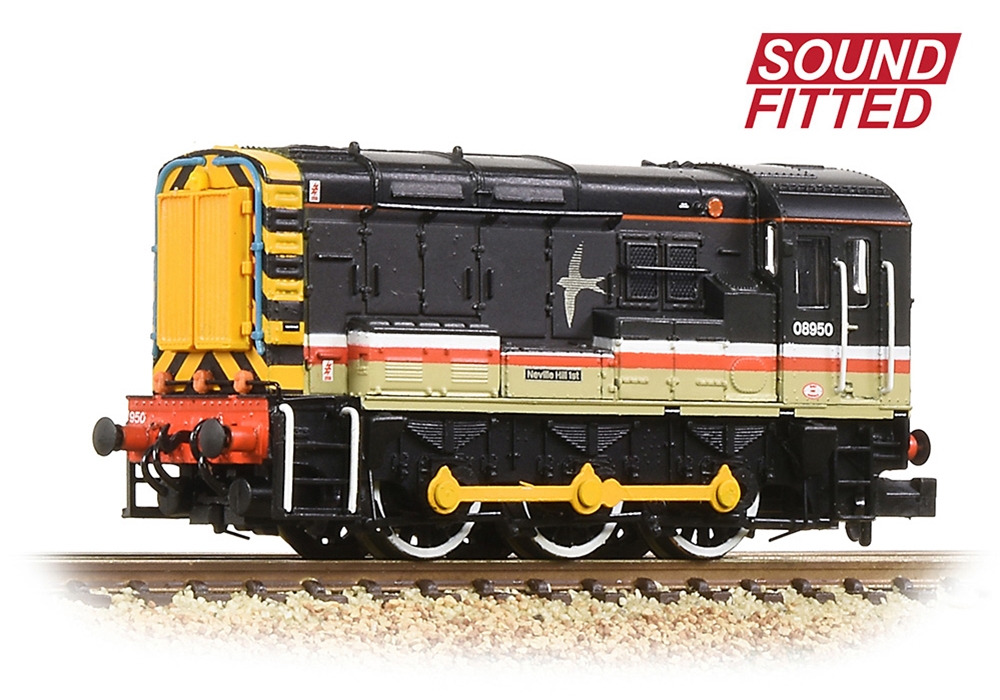
Class 08 08950 'Neville Hill 1st' BR InterCity (Swallow)
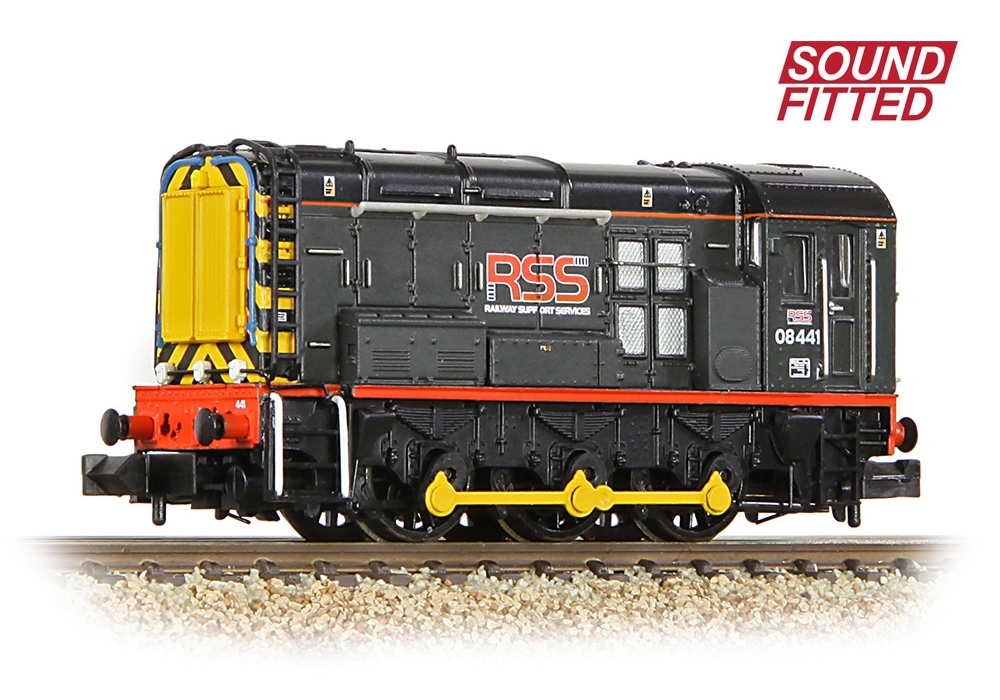
Class 08 08441 RSS Railway Support Services
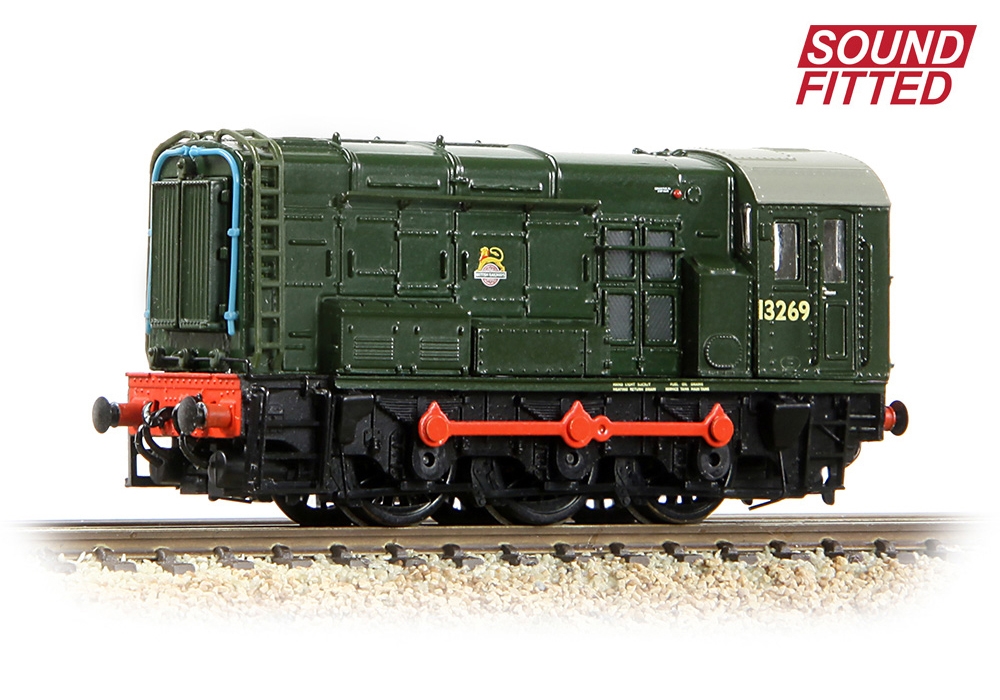
Class 08 13269 BR Green (Early Emblem)
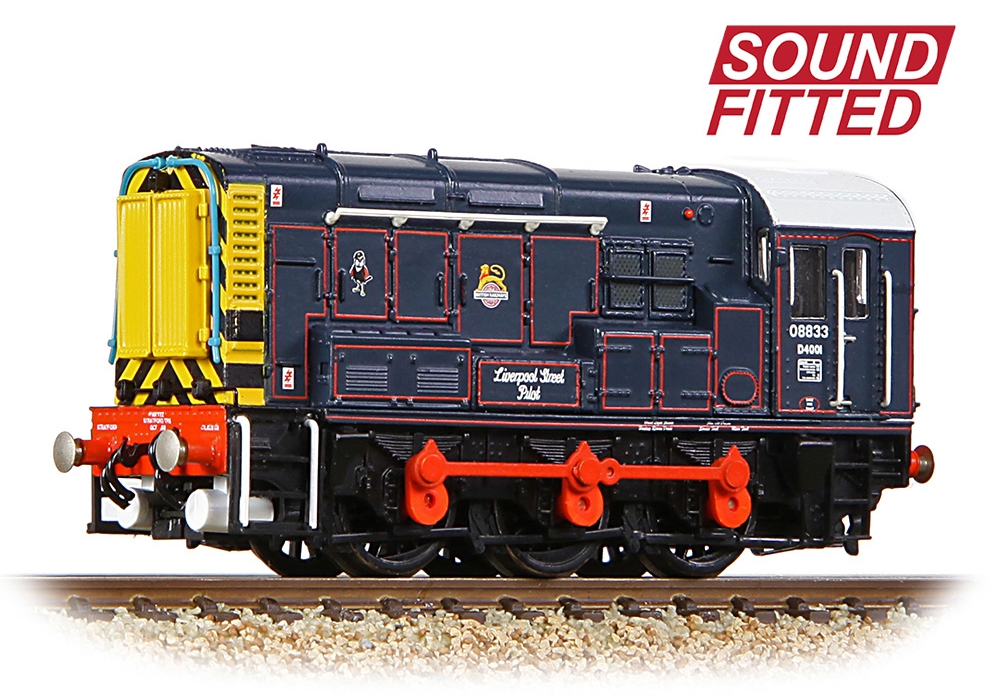
Class 08 08833 'Liverpool Street Pilot' BR/GER Lined Blue (Early Em.)
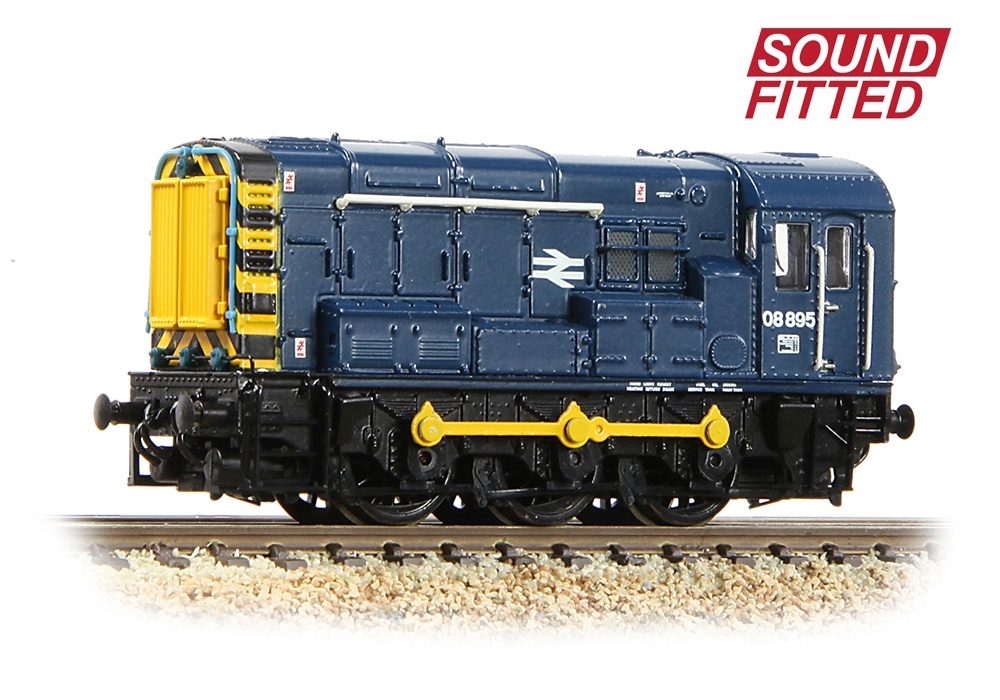
Class 08 08895 BR Blue
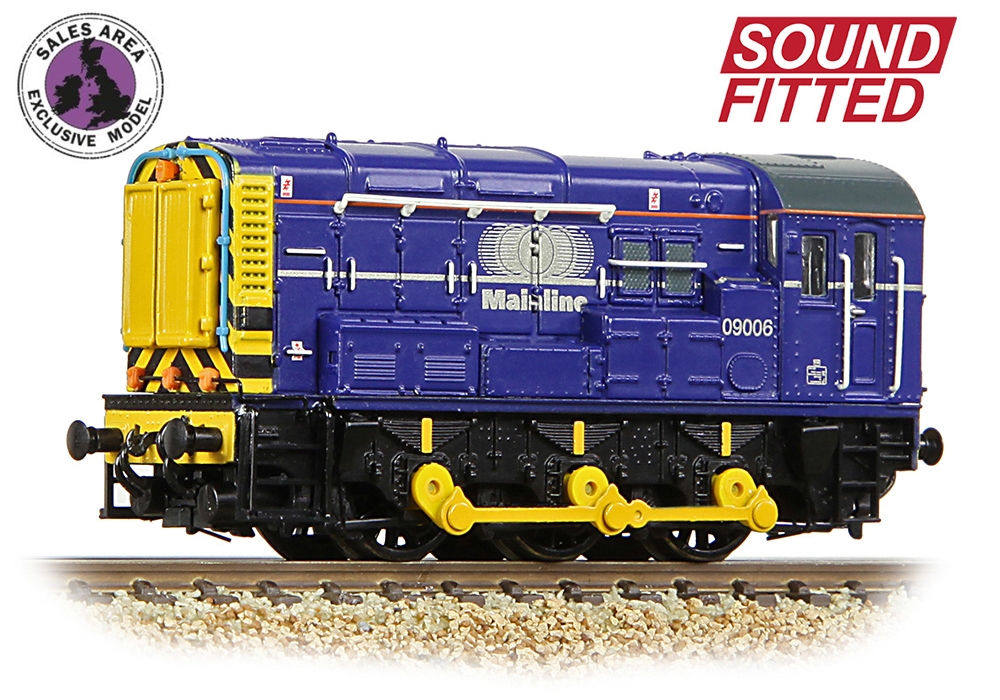
Class 09 09006 Mainline Freight
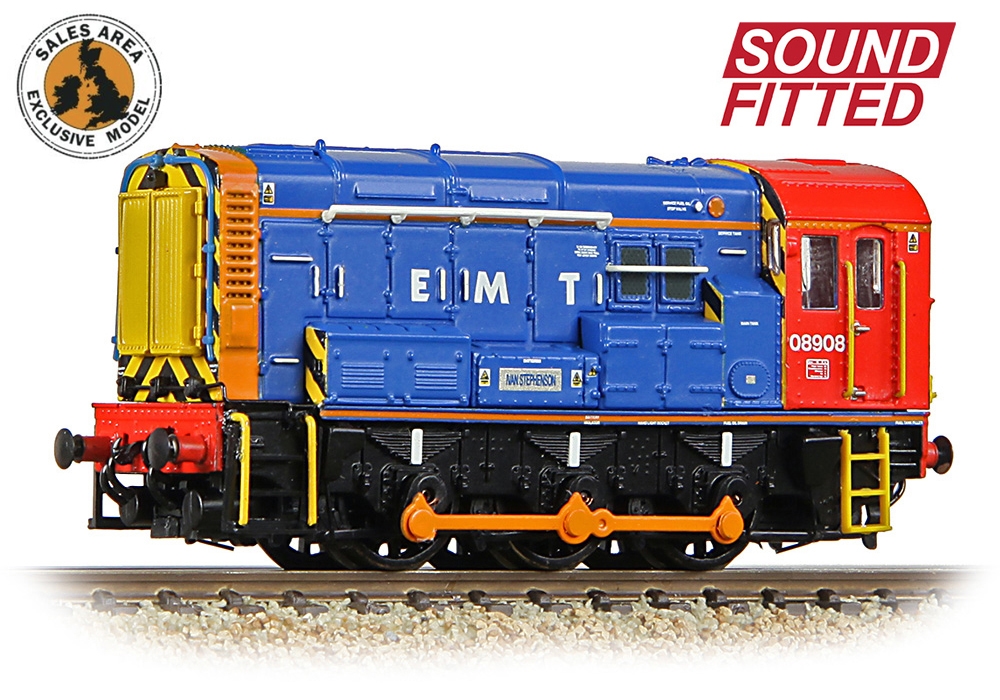
Class 08 08908 East Midlands Trains
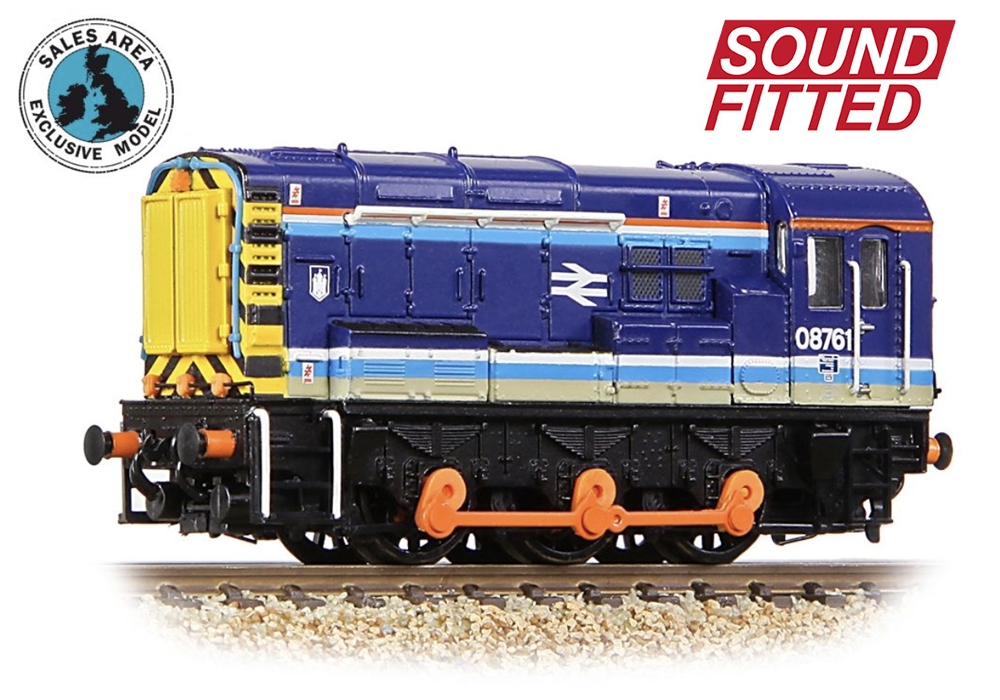
Class 08 08761 BR Provincial
← 返回 Graham Farish全部目录商品读读厂商指南